- Understanding the Core of ESG Reporting: Environmental, Social, and Governance
- Why ESG Reporting Matters: Benefits and Stakeholder Expectations
- ESG Reporting Best Practices: A Step-by-Step Guide
- Selecting the Right Sustainability Reporting Frameworks
- The Role of Technology in ESG Reporting
- Conclusion: Embracing ESG as a Strategic Imperative
- Quick Summary
- FAQs
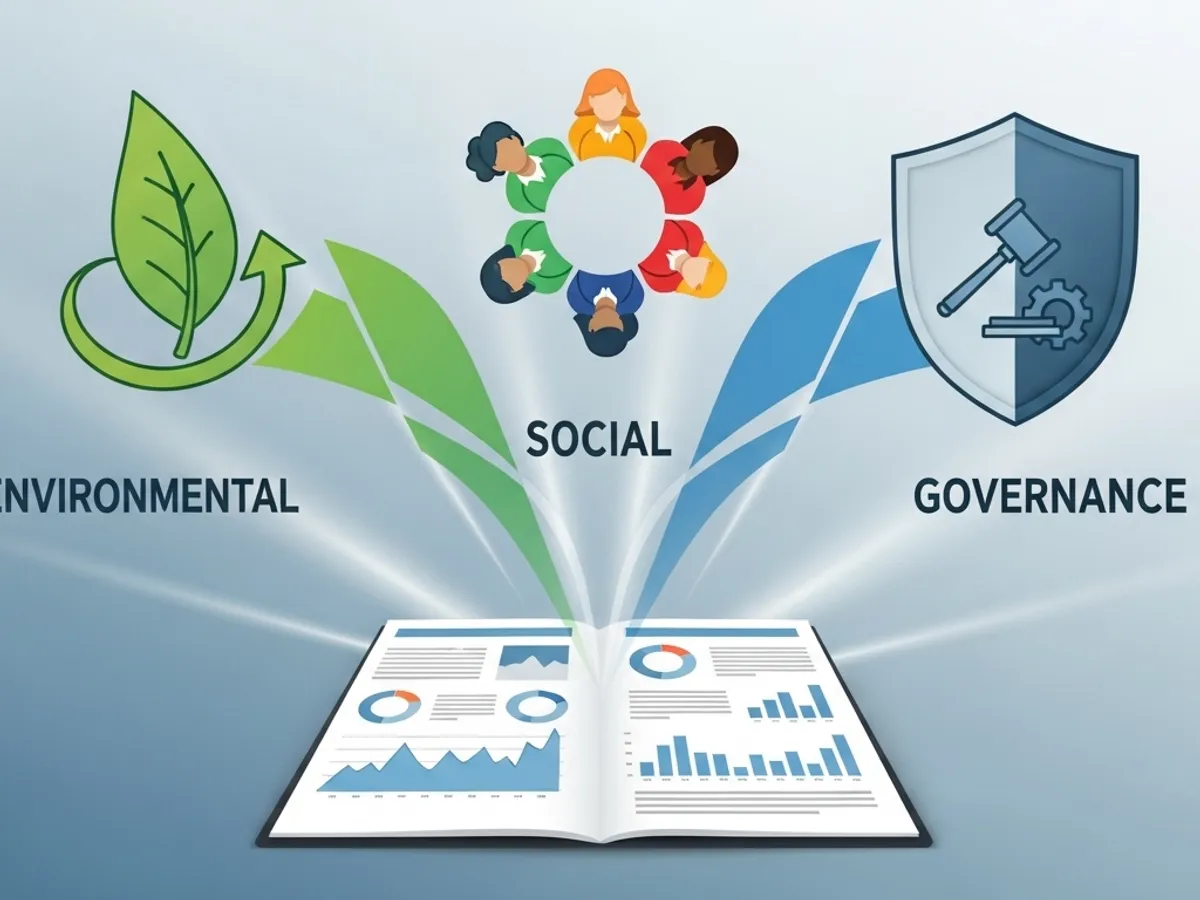
Understanding the Core of ESG Reporting: Environmental, Social, and Governance
ESG reporting is the structured disclosure of data related to a company’s environmental, social, and governance practices. It encompasses both quantitative metrics and qualitative narratives that illustrate how an organization impacts the environment, treats people, and governs itself. Mastering ESG reporting frameworks takes time and the right expertise. Here’s a guide to show how you can get started.
According to ecoactivetech.com, navigating multiple ESG frameworks to managing vast amounts of ESG data, organizations must adopt structured approaches and leverage advanced ESG reporting platforms like EcoActive to streamline processes and maintain compliance with evolving global standards. This helps ensure that companies accurately disclose their impact and adhere to regulatory requirements.
Key Components of ESG Data: Environment, Social, and Governance Defined
Environmental data encompasses greenhouse gas emissions, energy use, waste management, and water consumption. Social data tracks labor practices, human rights, diversity, equity, and inclusion. Governance data reveals board structure, ethics policies, corporate decision-making, and data security. Regulators worldwide are prioritizing ESG transparency, making accurate, verifiable ESG disclosures a legal and reputational necessity for businesses.
To effectively manage environmental impact, companies need to monitor and report on factors like carbon emissions and waste reduction. Socially, they must ensure fair labor practices and promote diversity. Strong governance structures are essential for ethical decision-making and data protection. Understanding these components is crucial for effective ESG reporting best practices.
Differentiating ESG Reporting from Sustainability Reporting and Corporate Social Responsibility
ESG reporting focuses on specific environmental, social, and governance data points. Investors and regulators use this information to evaluate company performance and risk. Sustainability reporting includes a mix of numbers and stories, targeting stakeholders, NGOs, and customers. Corporate Social Responsibility (CSR) involves voluntary social initiatives, often qualitative and community-focused.
While all three concepts aim to improve corporate responsibility, they differ in scope and purpose. ESG reporting is data-driven and investor-focused, sustainability reporting is broader and stakeholder-oriented, and CSR is centered on community engagement. Knowing these distinctions is key to how to improve esg reporting efforts.

Why ESG Reporting Matters: Benefits and Stakeholder Expectations
ESG reporting plays a central role in business strategy, particularly in industries like manufacturing, energy, and food and beverage. It demonstrates a commitment to sustainability, enhances transparency, and drives positive change in corporate policies worldwide. As investors and consumers demand greater transparency and accountability, companies are embracing ESG reporting as a means of demonstrating their commitment to sustainability and responsible business practices, driving positive change, and shaping corporate policies worldwide.
As noted by SAP, by embracing these trends and adopting innovative technologies, companies can enhance the effectiveness and credibility of their ESG reporting practices, driving positive social, environmental, and governance outcomes and creating long-term value for stakeholders. This proactive approach not only meets current demands but also positions businesses for long-term success.
Meeting Stakeholder Expectations Through Transparent ESG Disclosures
Stakeholders, including investors, regulators, and the public, want to see transparency in how companies manage risks and opportunities. ESG reporting improves investor transparency, inspires other organizations, and demonstrates that ESG projects are genuine, not just greenwashing.
Transparent disclosures build trust and credibility, crucial for maintaining positive relationships with stakeholders. Companies that openly share their ESG performance are more likely to attract investors, retain customers, and maintain a strong reputation. This transparency also helps in identifying areas for improvement and fostering a culture of continuous enhancement.
Enhancing ESG Transparency to Build Stakeholder Trust and Improve ESG Ratings
To build stakeholder trust and improve ESG ratings, companies must enhance transparency in reporting. Adopt standardized sustainability reporting frameworks like GRI, SASB, TCFD, and ISSB for credible, comparable disclosures. Ensure external ESG audits to identify areas needing improvement to enhance compliance and reporting quality.
Enhancing transparency involves using standardized frameworks to ensure consistent and comparable reporting. External audits provide an objective assessment of ESG performance, highlighting areas for improvement and ensuring compliance with regulatory requirements. This proactive approach builds trust and enhances a company’s ESG rating.
Complying with Evolving Global Regulations Like the CSRD
Comply with evolving global regulations, such as the European Union’s Corporate Sustainability Reporting Directive (CSRD). The Corporate Sustainability Reporting Directive (CSRD) modifies the previous directive on non-financial reporting, expands the scope of companies obliged to disclose information, and increases the requirements on the content of disclosures as defined in the ESRS standards.
According to PwC, the CSRD increases the requirements on the content of disclosures as defined in the ESRS standards. Compliance with regulations like the CSRD is essential for maintaining legal and ethical standards. Companies must stay informed about evolving regulations and adapt their reporting practices accordingly to avoid penalties and maintain their reputation.

ESG Reporting Best Practices: A Step-by-Step Guide
To streamline your ESG reporting while improving your ESG plans, contact CCH Tagetik. Mastering ESG reporting frameworks takes time and the right expertise. Here’s a guide to show how you can get started.
Effective esg data management strategies are crucial for successful ESG reporting. A structured approach ensures data accuracy, stakeholder engagement, and compliance with global standards. This guide provides a step-by-step approach to help organizations improve their ESG reporting processes.
Conducting an ESG Assessment: Identifying Areas of Impact
Identify areas of impact across environmental, social, and governance dimensions. Collect data systematically using reliable methods to capture information from all departments. Review current policies and compare existing procedures against reporting standards and regulations.
An ESG assessment involves identifying the key areas where a company has an impact on the environment, society, and governance. This includes analyzing environmental footprint, labor practices, and corporate governance structures. A thorough assessment is the foundation for effective ESG reporting.
According to iriscarbon.com, an ESG reporting framework is a structured tool that helps companies disclose their sustainability performance across environmental, social, and governance (ESG) factors. With hundreds of frameworks available, it’s essential to choose the right one for your business. In this guide, we introduce the major ESG reporting frameworks to help you navigate the options and select the best fit for your sustainability goals.
How to Improve ESG Reporting by Engaging Stakeholders: Employees, Suppliers, and Investors
Engage stakeholders, involving employees, suppliers, and investors in the reporting process. Document initiatives and outcomes, recording actions taken, results achieved, and future goals. Including stakeholders in ESG reporting improves transparency and accountability. Organizations should seek feedback from investors, customers, and employees to refine their ESG strategies and reporting practices.
Engaging stakeholders ensures that ESG reporting reflects the concerns and expectations of those affected by a company’s operations. This collaborative approach builds trust and enhances the credibility of the report. Regular feedback from stakeholders helps in refining ESG strategies and improving overall performance.
Internal Link: Calculating carbon footprint accurately is essential for effective ESG reporting and demonstrates a company’s commitment to sustainability.
Streamlining ESG Data Management Through Centralization and Automation
Centralize ESG data using platforms like EcoActive for structured reporting. Automate data collection with AI-powered tools to reduce errors and improve efficiency. Ensure ESG audits with third-party verification to enhance credibility.
Centralizing data and automating processes streamlines ESG reporting, reduces errors, and improves efficiency. This ensures that data is accurate, consistent, and readily available for analysis and reporting. Third-party audits provide an independent verification of ESG performance, enhancing credibility.
Ensuring Data Accuracy and Overcoming Challenges in ESG Reporting
Data accuracy: Collecting reliable metrics across multiple operations can be difficult. Resource allocation: Balancing reporting demands with day-to-day business functions. Policy gaps: Updating or creating policies to meet reporting standards.
According to chrissanderslaw.com, companies proactively embracing detailed ESG and non-financial disclosures will stay ahead of regulatory curves and contribute positively to their brand reputation, investor attractiveness, and overall sustainability performance. Overcoming these challenges requires a strategic approach, including investing in technology, training employees, and establishing clear policies and procedures.
ESG Data Management Strategies, Implementing an ESG data management strategy
A clearly defined ESG data strategy will foster effective data management. It includes defining objectives, key performance indicators, plan of action, and aligning strategy with business goals. One approach is to integrate ESG initiatives into the core business of an organization.
Implementing an ESG data strategy involves setting clear objectives, defining key performance indicators (KPIs), and aligning the strategy with business goals. Integrating ESG initiatives into core business operations ensures that sustainability is a central part of the company’s mission and vision.

Selecting the Right Sustainability Reporting Frameworks
Navigate the options and select the best fit for your sustainability goals. Understand the stakeholders: Align with expectations. The ESG reporting framework should reflect the expectations of both internal and external stakeholders. Understanding these expectations helps ensure compliance, transparency, and alignment with broader business objectives.
Selecting the right framework is crucial for effective ESG reporting. The framework should align with stakeholder expectations, industry standards, and regulatory requirements. A well-chosen framework ensures that the report is relevant, credible, and useful for decision-making.
Aligning with GRI Standards for Comprehensive Sustainability Reporting
Using the GRI Standards, organizations can understand and act on the full range of their impacts. The GRI Standards are trusted by thousands of organizations around the world, providing the building blocks for transparent reporting, and helping them to mange risks and opportunities and support strategic decision-making. The Global Reporting Initiative (GRI) is an independent not-for-profit organization that leads a global multi-stakeholder process to develop and refine rigorous yet practical sustainability reporting.
The GRI Standards are widely recognized and provide a comprehensive framework for sustainability reporting. They cover a broad range of environmental, social, and governance topics, making them suitable for organizations seeking to provide a detailed and transparent account of their sustainability performance.
Internal Link: Companies looking to boost your brand’s reputation with transparent ESG reporting often turn to GRI standards for guidance.
Leveraging SASB Standards for Industry-Specific ESG Metrics
ESG reports typically include qualitative and quantitative information on environmental, social, and governance performance metrics, as well as insights into the company’s sustainability strategy, goals, and initiatives. As investors and consumers demand greater transparency and accountability, companies are embracing ESG reporting as a means of demonstrating their commitment to sustainability and responsible business practices, driving positive change, and shaping corporate policies worldwide.
The SASB Standards focus on industry-specific ESG metrics, providing a tailored approach to reporting. This ensures that companies report on the issues that are most relevant to their industry and stakeholders. SASB standards are particularly useful for companies seeking to provide investors with decision-useful information.
Adopting TCFD Recommendations for Climate-Related Financial Disclosures
Companies are expected to provide detailed analysis of potential climate-related financial impacts. Stakeholders want to know about labor practices and environmental risks beyond your immediate operations. Social reporting is expanding to include measurable DEI outcomes.
The TCFD recommendations provide a framework for disclosing climate-related risks and opportunities. This helps companies assess and manage their climate-related financial impacts, enhancing transparency and accountability. Adopting TCFD recommendations is increasingly important as investors and regulators focus on climate risk.
Internal Link: It’s crucial to navigate the evolving landscape of global sustainability standards, including TCFD, to stay ahead of regulatory changes and meet stakeholder expectations.
Ensuring Credible Disclosures with ISSB Standards
As stakeholder pressure mounts and the global emphasis on sustainability grows, the US will see more defined and possibly mandatory ESG reporting requirements in the future. Companies proactively embracing detailed ESG and non-financial disclosures will stay ahead of regulatory curves and contribute positively to their brand reputation, investor attractiveness, and overall sustainability performance.
The ISSB Standards aim to create a global baseline for sustainability disclosures, ensuring consistency and comparability across different jurisdictions. These standards promote harmonized reporting and the convergence of financial and sustainability data, enhancing corporate responsibility.

The Role of Technology in ESG Reporting
The SEC plays a pivotal role in ESG and non-financial reporting by requiring publicly traded companies to disclose specific ESG-related information material to investment decisions. ESG standards, such as the Corporate Sustainability Reporting Directive (CSRD), the EU Taxonomy, and the Sustainable Finance Disclosure Regulation (SFDR), were then created to regulate how companies disclose non-financial information crucial for investment decisions. Digital reporting tools: Automation and software solutions are becoming essential for accurate ESG data collection.
Technology plays a critical role in improving the efficiency and effectiveness of ESG reporting. From data collection to analysis and reporting, technology solutions can streamline processes, reduce errors, and enhance transparency. Embracing technology is essential for companies seeking to improve their ESG performance.
Internal Link: Unlocking the power of ESG data for smarter business decisions is key to driving sustainable practices and achieving long-term value.
ESG Compliance Technology, Leveraging ESG Reporting Platforms
Leverage ESG Compliance Technology
Use ESG reporting platforms like EcoActive to track evolving ESG regulations across different jurisdictions and automate compliance reporting to reduce manual workload.
ESG reporting platforms provide a centralized solution for managing and reporting ESG data. These platforms automate data collection, track regulatory changes, and generate reports, reducing the manual workload and improving accuracy. Leveraging these platforms is a best practice for effective ESG compliance.
Enhancing Data Collection with AI-Powered Tools
Automate Data Collection, AI-powered tools reduce errors & improve efficiency.
By embracing these trends and adopting innovative technologies, companies can enhance the effectiveness and credibility of their ESG reporting practices, driving positive social, environmental, and governance outcomes and creating long-term value for stakeholders.
AI-powered tools can automate the collection and analysis of ESG data, reducing errors and improving efficiency. These tools can also identify trends and insights that may not be apparent through manual analysis. Embracing AI is essential for companies seeking to improve their esg data management strategies.
Prioritizing Automated Data Quality Checks
Prioritizing critical ESG topics, automating data quality checks, centralizing data, democratizing ESG data access and fostering stakeholder engagement are key best practices for effective ESG data management.
Automated data quality checks ensure that ESG data is accurate, consistent, and reliable. This is crucial for maintaining the credibility of ESG reports and making informed decisions. Prioritizing data quality checks is a best practice for effective ESG reporting.

Conclusion: Embracing ESG as a Strategic Imperative
ESG isn’t just about reporting; it’s about redefining how businesses operate, engage with stakeholders, and create value for society and the environment. As organizations navigate the complex landscape of ESG, success hinges on their ability to harness the power of data effectively. By embracing best practices, overcoming challenges, and fostering a culture of sustainability, organizations can not only comply with regulations but also drive meaningful change towards a more sustainable future.
Quick Summary
In this comprehensive guide, we explored the essential aspects of mastering ESG reporting. We defined ESG and highlighted its importance in today’s business landscape. We discussed the key components of ESG data, including environmental, social, and governance factors, and differentiated ESG reporting from sustainability reporting and CSR. The guide emphasized the benefits of ESG reporting, such as meeting stakeholder expectations and enhancing transparency. We outlined ESG reporting best practices, including conducting assessments, engaging stakeholders, and streamlining data management. also, we covered selecting the right sustainability reporting frameworks and the role of technology in improving ESG reporting processes.
FAQs
What are the key components of ESG reporting?
ESG reporting includes three main components: environmental impact (e.g., emissions, waste), social responsibility (e.g., labor practices, human rights), and governance policies (e.g., board structure, ethics).
Why is ESG reporting important for businesses?
ESG reporting is important because it enhances transparency, meets stakeholder expectations, and drives positive change by demonstrating a company’s commitment to sustainability and responsible business practices.
What are some common challenges in ESG reporting?
Common challenges include ensuring data accuracy, balancing reporting demands with business functions, addressing policy gaps, selecting the right ESG standards, and effectively communicating complex information to stakeholders.
How can technology help improve ESG reporting?
Technology improves ESG reporting through automation, AI-powered data collection, data centralization, and enhanced compliance tracking, making data more useful and actionable.
Which ESG reporting frameworks should companies consider?
Companies should consider frameworks such as GRI, SASB, TCFD, and ISSB to align with global standards, meet stakeholder expectations, and ensure credible and comparable disclosures.
Improve your company’s ESG score with ESGPro Mastery Institute. We offer advisory and certification services to help you meet global standards and attract institutional investment. Visit us at ESGPro Mastery Institute to learn more.