- Understanding Carbon Accounting Principles for GHG Emissions Reduction
- Calculating Carbon Footprint: A Comprehensive Guide to Scope 1, Scope 2, and Scope 3 Emissions
- Leveraging Carbon Accounting Software for Accurate Sustainability Reporting
- Achieving GHG Emissions Reduction and Net Zero Targets through Effective Strategies
- Conclusion
- Quick Summary
- FAQs
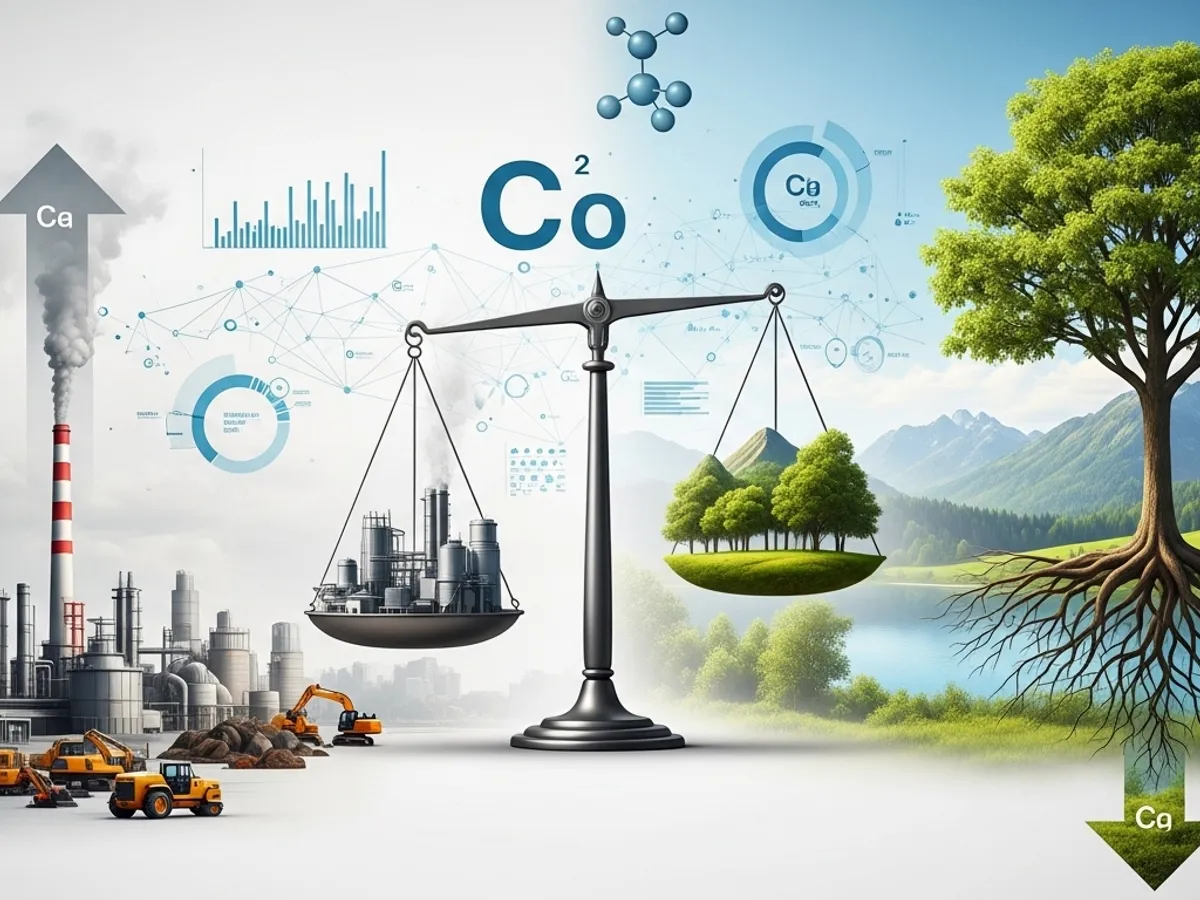
Carbon accounting is increasingly vital for organizations striving for a sustainable future, demanding a clear understanding of carbon accounting principles, effective methods for calculating carbon footprint, and strategies for reducing greenhouse gas emissions. This article explores the essential elements of carbon accounting, providing a comprehensive guide for businesses aiming to minimize their environmental impact and achieve net zero targets.
Understanding Carbon Accounting Principles for GHG Emissions Reduction
To effectively manage and reducing greenhouse gas emissions, it’s crucial to grasp the fundamental carbon accounting principles. These principles ensure that emissions are reported consistently, transparently, and accurately, providing a solid foundation for informed decision-making and credible sustainability reporting. Key principles include relevance, completeness, consistency, transparency, and accuracy. According to the 2025 Comprehensive Guide to Carbon Accounting, these principles ensure emissions are reported in a robust, credible, and comparable manner. Adhering to these principles enables organizations to develop robust carbon footprint analysis and implement effective strategies for GHG emissions reduction. Relevance ensures that the data used is pertinent to the organization’s goals and decision-making processes. Completeness involves accounting for all significant sources of emissions within the defined scope. Consistency ensures that the same methodologies and assumptions are used over time to allow for meaningful comparisons. Transparency requires clear and accessible documentation of the methodologies, data sources, and assumptions used in the accounting process. Accuracy demands that the data and calculations are as precise as possible, minimizing errors and uncertainties. Do you have these principles in place?
Calculating Carbon Footprint: A Comprehensive Guide to Scope 1, Scope 2, and Scope 3 Emissions


Calculating carbon footprint involves quantifying all GHG emissions reduction associated with an organization’s activities. This includes direct emissions (Scope 1), indirect emissions from purchased energy (Scope 2), and all other indirect emissions (Scope 3). According to the Carbon Accounting, Overview, Scope 1, 2, & 3 Emissions, carbon accounting creates an inventory for an organization’s scope 1, 2, and 3 greenhouse gas emissions. Accurately measuring these emissions is essential for developing effective reduction strategies and meeting net zero targets. But how do you differentiate between these scopes?
Scope 1 Emissions: Direct Emissions from Owned or Controlled Sources
Scope 1 emissions are direct GHG emissions reduction from sources owned or controlled by the organization. Examples include emissions from company-owned vehicles, on-site industrial processes, and the combustion of fossil fuels for heating. According to Master Carbon Accounting & The GHG Protocol, SustainaBase, Scope 1 emissions encompass the direct release of greenhouse gasses resulting from an organization’s own activities, operations, or facilities. Accurate measurement of Scope 1 emissions requires detailed data on fuel consumption, process emissions, and other direct sources. This data should be collected systematically and verified to ensure accuracy. Regular audits can help identify discrepancies and improve data quality. For instance, Tsinghua University School of Economics and Management Carbon calculated Scope 1 emissions from gasoline for owned vehicles, refrigerants, cesspools, and fire extinguishers. Are you tracking all of these sources?
Scope 2 Emissions: Indirect Emissions from Purchased Energy
Scope 2 emissions are indirect GHG emissions reduction resulting from the generation of purchased electricity, steam, heating, and cooling. These emissions occur at the power plant or energy provider, but are attributed to the organization consuming the energy. According to Master Carbon Accounting & The GHG Protocol, SustainaBase, Scope 2 Emissions are indirect emissions. Calculating Scope 2 emissions involves tracking energy consumption and applying emission factors specific to the energy source. Emission factors are typically provided by energy suppliers or regulatory agencies. To reduce Scope 2 emissions, organizations can invest in energy-efficient technologies, switch to renewable energy sources, or purchase carbon offsets. For example, Tsinghua SEM’s scope 2 emissions mainly include carbon emissions generated by indirect emission sources. What steps are you taking to reduce these indirect emissions?
Scope 3 Emissions: Addressing Value Chain Emissions
Scope 3 emissions encompass all other indirect GHG emissions reduction that occur in an organization’s value chain, both upstream and downstream. This includes emissions from suppliers, customers, employee commutes, and the use of sold products. According to Master Carbon Accounting & The GHG Protocol, SustainaBase, Scope 3 emissions encompass the upstream and downstream emissions indirectly generated by an organization; think business travel, employee commutes, distribution, purchased goods and services and more. Scope 3 emissions often represent the largest portion of an organization’s carbon footprint, making their measurement and management critical for achieving net zero targets. Given the complexity and breadth of Scope 3 emissions, collaboration with suppliers and other stakeholders is essential. Companies should also prioritize the most significant emission sources and focus on implementing targeted reduction measures. CO2 AI helps companies to deep dive into Scope 3 emissions and build a precise action plan to meet net Zero targets. How are you managing your Scope 3 emissions?
Leveraging Carbon Accounting Software for Accurate Sustainability Reporting

To streamline carbon footprint analysis and sustainability reporting, organizations can use carbon accounting software solutions like Salesforce’s Net Zero Cloud and Emitwise. These platforms automate data collection, calculation, and reporting processes, ensuring accuracy and compliance with international standards such as the Greenhouse Gas Protocol. Effective carbon accounting software should cover all emission scopes and categories, provide certified calculation methods, and help effective decarbonisation action planning. Carbon accounting software can often be based on the Greenhouse Gas Protocol (GHGP), as it can allow businesses to follow the most up-to-date requirements for ESG reporting, data collection process, transparency, and to help companies break down the process to monitor and manage their scope emissions. Is your software certified for compliance with the GHG Protocol?
Salesforce’s Net Zero Cloud: Streamlining Carbon Accounting and Sustainability Management
Salesforce’s Net Zero Cloud is a comprehensive platform designed to help enterprises track, analyze, and reduce their carbon emissions. It allows companies to measure their carbon footprint across Scope 1, 2, and 3 emissions, set science-based targets, and monitor progress towards sustainability goals. According to The 12 best carbon accounting software (September 2025), Salesforce’s Net Zero Cloud is a carbon accounting and sustainability management platform designed to help enterprises track and reduce their carbon emissions. The platform leverages Salesforce’s cloud-based infrastructure to provide data analytics and reporting capabilities. Net Zero Cloud also allows companies to measure their carbon footprint across Scope 1, 2, and 3 emissions, set science-based targets, and monitor progress towards sustainability goals. Are you leveraging cloud-based solutions for your carbon accounting?
Emitwise: Comprehensive Carbon Accounting for Scope 1, 2, and 3 Emissions
Emitwise offers software that enables companies to track their Scope 1, 2, and 3 emissions, aligning with international reporting standards such as the Greenhouse Gas Protocol. It provides features for setting science-based targets, scenario planning, and generating reports for various stakeholders, along with benchmarking capabilities to compare performance against industry peers. According to The 12 best carbon accounting software (September 2025), the software provided by Emitwise enables companies to track their Scope 1, 2, and 3 emissions, aligning with international reporting standards such as the Greenhouse Gas Protocol. It offers features for setting science-based targets, scenario planning, and generating reports for various stakeholders. Emitwise also provides benchmarking capabilities, allowing businesses to compare their performance against industry peers and identify areas for improvement in their sustainability efforts. Are you benchmarking your sustainability efforts against industry peers?
SAP Sustainability Control Tower and Sustainability Footprint Management
SAP offers several tools to aid in carbon accounting, including SAP Sustainability Control Tower for tracking and managing GHG emissions and SAP Sustainability Footprint Management for calculating corporate and product carbon footprints. These solutions help integrate carbon emissions data into business processes for informed sustainability decisions. According to Carbon Accounting Software| Manage Carbon Emissions, SAP, SAP Sustainability Control Tower allows you to track and manage greenhouse gas emissions by centralizing carbon data for reporting, compliance, and sustainability targets while calculating corporate carbon footprints. SAP Sustainability Footprint Management helps you calculate and analyze corporate and product carbon footprints. Then you can integrate carbon emissions data back into business processes. SAP Green Ledger combines carbon insights with financials for audit-ready, sustainable decision-making. Are you integrating carbon emissions data into your business processes?
Achieving GHG Emissions Reduction and Net Zero Targets through Effective Strategies

To achieve meaningful GHG emissions reduction and net zero targets, organizations must implement a range of strategies across their operations and value chain. This includes improving energy efficiency, transitioning to renewable energy sources, optimizing supply chain practices, and investing in carbon offset projects. Effective decarbonization action planning identifies critical areas for emission reduction and integrates Scope 3 data for comprehensive strategies. According to The 12 best carbon accounting software (September 2025), effective decarbonisation action planning identifies critical areas for emission reduction and integrates Scope 3 data for comprehensive decarbonisation plans. It recommends and manages projects through an intuitive interface; ensuring efficient, value-chain-wide emissions reduction. What strategies are you prioritizing to reduce your carbon emissions?
Energy Consumption Data: The Cornerstone of Carbon Accounting
Collecting data on energy consumption, including electricity, natural gas, and heating oil, is crucial for carbon accounting as it directly informs the calculation of both Scope 1 and Scope 2 emissions. Accurate and consistent energy data is essential for effective carbon footprint analysis and the development of targeted GHG emissions reduction strategies. According to Master Carbon Accounting & The GHG Protocol, SustainaBase, energy consumption is a cornerstone of carbon accounting. Collect data on electricity, natural gas, heating oil, and any other energy sources your organization uses. This information is central to calculating both Scope 1 and Scope 2 emissions. Are you effectively collecting and analyzing your energy consumption data?
Collaborating with Supply Chain Partners for Scope 3 Emissions Reduction
Given that Scope 3 emissions often constitute the largest portion of an organization’s carbon footprint, collaboration with supply chain partners is essential for gaining a comprehensive understanding of the emissions funneled into the organization. This collaborative approach enables the identification of emission hotspots and the implementation of joint reduction initiatives. According to Master Carbon Accounting & The GHG Protocol, SustainaBase, it’s recommended best practice to collaborate closely with your supply chain partners to gain a comprehensive understanding of the emissions funneled into your organization as part of your Scope 3 footprint. This collaborative approach enables the identification of emission hotspots and the implementation of joint reduction initiatives. Are you actively collaborating with your supply chain partners to reduce emissions? You can also use ESG data analytics to transform raw data into strategic insights, enabling informed decisions that enhance environmental, social, and governance performance.
Decarbonizing the Supply Chain for Sustainable Growth
Effective decarbonisation action planning involves identifying critical areas for emission reduction and integrating Scope 3 data for comprehensive plans. By managing projects through an intuitive interface, organizations can ensure efficient, value-chain-wide emissions reduction, contributing to sustainable growth and net zero targets. According to SAP Sustainability Control Tower and Sustainability Footprint Management you can calculate your corporate and product carbon footprints at scale using granular data to drive informed sustainability decisions. Are you using granular data to drive your sustainability decisions?
Conclusion
Mastering carbon accounting is essential for organizations committed to a sustainable future. By understanding carbon accounting principles, accurately calculating carbon footprint across all scopes, leveraging carbon accounting software, and implementing effective GHG emissions reduction strategies, businesses can minimize their environmental impact and contribute to a global net zero economy. As regulatory requirements and stakeholder expectations continue to evolve, embracing carbon accounting will be critical for long-term success and resilience.
Quick Summary
Carbon accounting is vital for organizations aiming for sustainability, focusing on measuring and managing GHG emissions. Key aspects include understanding carbon accounting principles, accurately calculating carbon footprint across Scope 1, Scope 2, and Scope 3 emissions, and using carbon accounting software like Salesforce’s Net Zero Cloud and Emitwise. Effective strategies for GHG emissions reduction involve improving energy efficiency, adopting renewable energy, and collaborating with supply chain partners. Achieving net zero targets requires a comprehensive approach to decarbonization and sustainability reporting.
FAQs
What are the key principles of carbon accounting?
The key principles include relevance, completeness, consistency, transparency, and accuracy, ensuring reliable and comparable sustainability reporting.
How do you calculate Scope 3 emissions?
Calculating Scope 3 emissions involves assessing indirect emissions across the value chain, including supplier emissions and customer usage, often requiring collaboration with supply chain partners for comprehensive data collection.
What role does carbon accounting software play in sustainability reporting?
Carbon accounting software automates data collection, calculation, and reporting processes, ensuring accuracy and compliance with international standards like the Greenhouse Gas Protocol, helping effective sustainability reporting.
What are some effective strategies for reducing greenhouse gas emissions?
Effective strategies include improving energy efficiency, transitioning to renewable energy sources, optimizing supply chain practices, and investing in carbon offset projects to achieve meaningful GHG emissions reduction.
Why is carbon accounting important for achieving net zero targets?
Carbon accounting provides the foundation for measuring, managing, and reducing GHG emissions, enabling organizations to set and achieve net zero targets through informed decision-making and targeted reduction strategies.
Achieve sustainability excellence with ESGPro Mastery Institute. Visit us to explore our certification and advisory services.