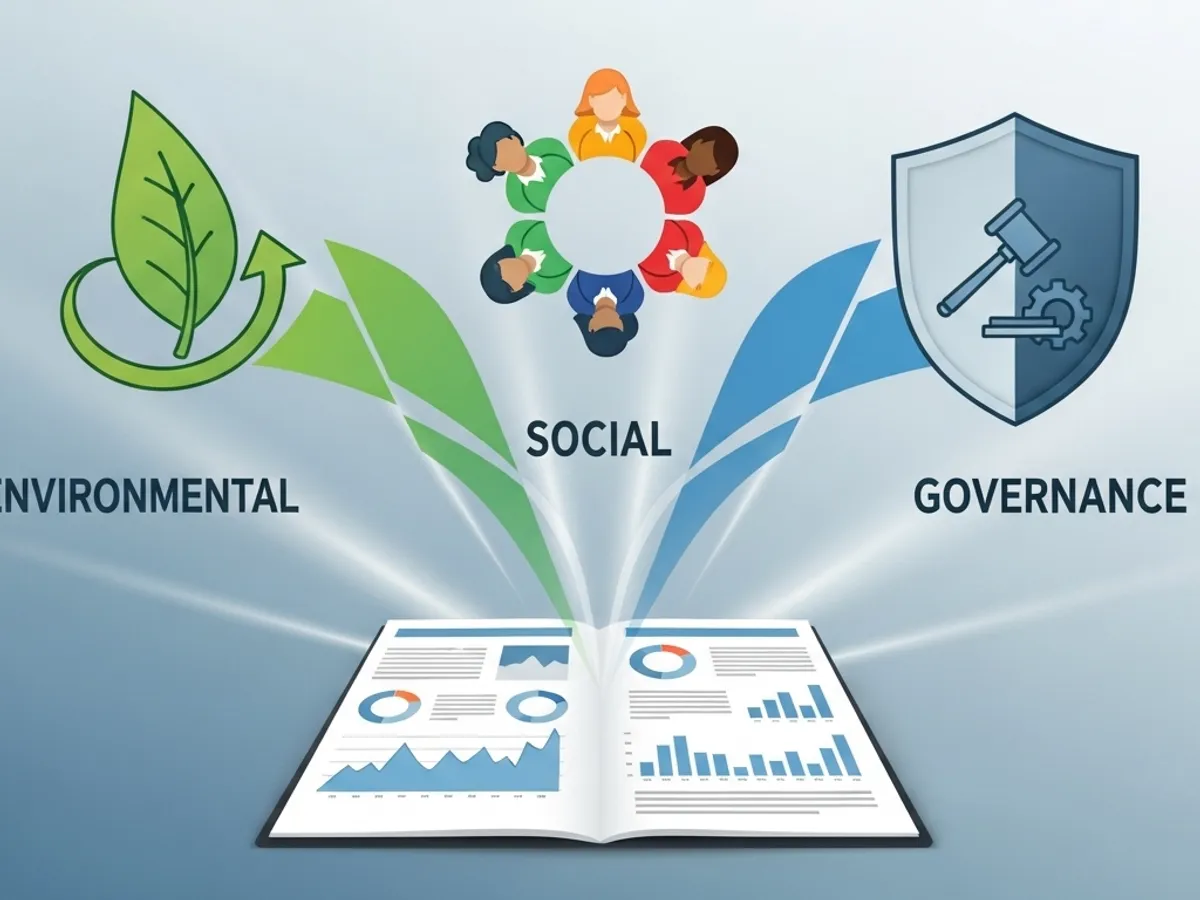
What is ESG reporting, and who must do it in India?
ESG reporting is the structured disclosure of environmental, social and governance performance. In India, SEBI requires the top 1,000 listed companies by market capitalisation to file a Business Responsibility and Sustainability Report (BRSR), with a core set of indicators (BRSR Core) that is being brought under assurance in phases by market capitalisation. Value-chain disclosure for the largest companies is voluntary for now.
Which framework should I use?
| Framework | Mandatory? | Audience | Lens |
|---|---|---|---|
| BRSR / BRSR Core (SEBI) | Yes, for top 1,000 listed companies in India | Regulator, investors | Indian disclosure format |
| GRI Standards | Voluntary (often used alongside BRSR) | All stakeholders | Impact on economy, environment, people |
| ISSB: IFRS S1 and S2 | Depends on jurisdiction | Investors | Financial materiality |
| ESRS (CSRD) | Yes, for in-scope EU companies and some non-EU groups | Regulators, investors, public | Double materiality |
Most Indian companies need BRSR first, and add GRI when they want a fuller stakeholder story. See the India framework guide.
What is double materiality?
Double materiality asks two questions about every topic: does it affect your finances (financial materiality), and does your business affect people or the environment (impact materiality)? A topic is reportable if it passes either test. Read the double materiality explainer for the worked steps.
How do I build a first ESG report in 8 steps?
- Pick the framework and the reporting boundary.
- Run a materiality assessment with stakeholder input.
- List the metrics each material topic needs.
- Assign a data owner for each metric.
- Collect and check data against source records.
- Draft the report: policy, targets, performance, methodology.
- Get internal review, then assurance if required.
- Publish, and keep a change log for next year.
What changed with the EU Omnibus?
The Omnibus I Directive entered into force on 18 March 2026. CSRD now applies to companies with more than 1,000 employees and more than €450 million net turnover, for financial years starting on or after 1 January 2027. Rules for non-EU groups use separate EU-turnover tests and later dates. Read the CSRD preparation guide.
What do investors look for in an ESG report?
Consistent metrics year on year, clear boundaries, targets with dates, a method note for each figure, and assurance where available. Vague claims without numbers are the quickest way to lose trust.
Frequently asked questions
Is GRI mandatory in India?
No. BRSR is the mandatory format for in-scope listed companies. GRI is voluntary.
Can I use GRI to fill in the BRSR?
Partly. Many indicators overlap, but BRSR has its own format and some different definitions. Map them before reusing data.
Who needs assurance?
BRSR Core assurance applies to in-scope listed companies on a phased timetable.
How long does a first report take?
Plan three to six months for a mid-sized company, mostly for data collection.
Sources
- SEBI, BRSR and BRSR Core circulars: sebi.gov.in
- GRI Standards: globalreporting.org
- IFRS S1 and S2: ifrs.org
- EFRAG, ESRS: efrag.org
- European Commission, Omnibus I Directive, published in the Official Journal in February 2026
Discover more from ESGPro Mastery Institute
Subscribe to get the latest posts sent to your email.