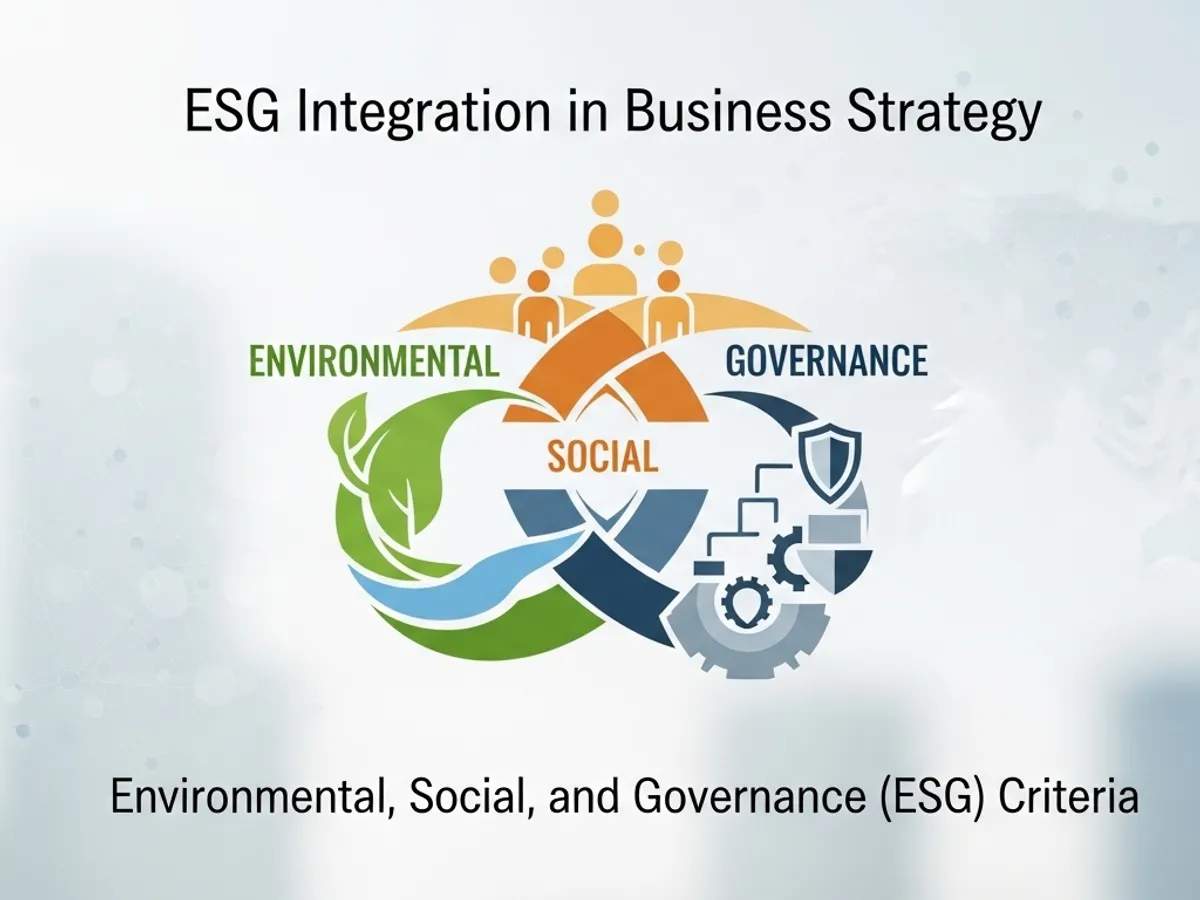
In today’s rapidly evolving business landscape, integrating Environmental, Social, and Governance (ESG) factors into your corporate strategy is no longer optional, it’s an imperative. Companies are increasingly recognizing that a comprehensive ESG strategy benefits is not just about corporate social responsibility but a critical driver of long-term value creation, resilience, and competitive advantage. This paradigm shift reflects a growing understanding that businesses must operate in a way that is consistent with their values and stakeholders’ expectations. By adopting an ESG approach, companies can minimize risks, enhance their reputation, secure funding, and retain employees, ultimately affecting their bottom line positively. So, why is a comprehensive ESG strategy benefits essential for your business, and why do you need it implemented “yesterday”? Let’s explore the multifaceted benefits and practical steps to get started.
Understanding the Core Components of a Comprehensive ESG Strategy
A robust ESG strategy integrates environmental stewardship, social responsibility, and corporate governance into a company’s core operations and long-term goals. This involves setting measurable ESG goals, implementing ESG sustainable business practices, and transparently reporting progress to stakeholders. Environmental considerations encompass reducing carbon emissions, conserving resources, and minimizing environmental impact. Social aspects include fostering diversity and inclusion, ensuring fair labor practices, and engaging with local communities. Governance involves ethical leadership, transparent decision-making, and accountability to stakeholders. Combining CSR and ESG strategies can help companies build trust, improve stakeholder engagement, manage risks holistically, create long-term value, and better navigate regulatory and market landscapes. According to governanceatwork.io, integrating CSR and ESG strategies into corporate governance enhances accountability and alignment with business objectives.

The Role of Environmental Stewardship in ESG
Environmental stewardship is a critical component of ESG, focusing on minimizing a company’s environmental footprint and promoting sustainable practices. This includes reducing carbon emissions, conserving resources, and preventing pollution. Companies are increasingly adopting strategies such as investing in renewable energy, implementing energy-efficient technologies, and optimizing supply chain practices to reduce their environmental impact. Such initiatives not only contribute to a healthier planet but also result in significant cost savings and enhanced profitability. For example, businesses that adopt energy-efficient technologies and sustainable supply chain practices often achieve significant cost savings, enhancing their profitability.
Social Responsibility: Engaging with Communities and Stakeholders
Social responsibility within ESG involves a company’s commitment to ethical labor practices, diversity and inclusion, and community engagement. This includes ensuring fair wages, safe working conditions, and opportunities for professional development. Companies are also focusing on creating diverse and inclusive workplaces that reflect the communities they serve. Engaging with local communities through philanthropic initiatives, volunteer programs, and partnerships can enhance a company’s reputation and build stronger relationships with stakeholders. By actively listening to and involving these stakeholders in the development of the ESG program, organizations can create more tailored and effective strategies that address their concerns and enhance overall trust and collaboration.
Corporate Governance: Ensuring Ethical Leadership and Transparency
Corporate governance is the backbone of ESG, ensuring that companies are managed ethically and transparently. This includes establishing diverse and independent boards, implementing robust internal controls, and promoting ethical decision-making. Transparent reporting on ESG performance is also essential for building trust with investors and stakeholders. Companies with strong corporate governance practices are better positioned to manage risks, attract investors, and create long-term value. Appointing responsible leaders or committees to oversee implementation and ensure alignment with business objectives integrates CSR and ESG strategies into corporate governance, enhancing accountability and alignment with business objectives.
The Multifaceted ESG Strategy Benefits for Your Business
Implementing a comprehensive ESG strategy yields numerous benefits, enhancing financial performance, brand reputation, and stakeholder trust. Companies with strong ESG sustainable business practices often experience improved financial performance, as sustainability initiatives can lead to cost savings, increased efficiency, and new revenue streams. ESG also enhances brand reputation by demonstrating a commitment to social and environmental responsibility, attracting eco-conscious consumers and investors. Moreover, a robust ESG strategy fosters stronger relationships with stakeholders, including employees, customers, and communities, leading to increased loyalty and support.

ESG Impact on Business Financial Performance and Investor Relations
Integrating ESG factors into your business strategy can significantly improve financial performance. Studies have shown that companies with strong ESG practices often outperform their peers, as sustainability initiatives can lead to cost reductions, increased efficiency, and new market opportunities. Investors are increasingly considering ESG criteria as part of their investment decisions, recognizing that sustainable practices often correlate with financial stability and long-term profitability. Companies that demonstrate a solid ESG track record can attract a wider range of investors, including those focused on socially responsible investing. Institutional investors are increasingly using ESG scores to guide their investment decisions. Companies with high ESG scores can differentiate themselves as sustainability leaders, attract more capital, reduce the cost of capital, manage risks, enhance share price performance, attract and retain top talent, and build customer loyalty. For financial benefits of ESG, consider ESGPro Mastery Institute.
Enhancing Brand Reputation and Attracting Eco-Conscious Consumers with ESG
Adopting ESG sustainability measures significantly enhances a company’s brand reputation. In today’s socially conscious market, businesses that demonstrate a commitment to environmental and social responsibility tend to be viewed more favorably by consumers. This positive perception can lead to increased customer loyalty, a stronger brand image, and, ultimately, a competitive edge in the market. Incorporating ESG strategies for businesses has become a vital factor in attracting eco-conscious consumers. A growing segment of the market is increasingly making purchasing decisions based on a company’s environmental and social impact.
Building Stakeholder Trust and Long-Term Value Creation through ESG
A comprehensive ESG strategy fosters stronger relationships with stakeholders, including employees, customers, and communities. By demonstrating a commitment to ethical and sustainable practices, companies can build trust and loyalty among their stakeholders. This, in turn, leads to increased employee engagement, customer satisfaction, and community support. Moreover, integrating ESG principles into core business strategies helps manage environmental, social, and governance risks, reducing the likelihood of operational disruptions. Embedding ESG principles into the core of their business strategy, organizations can drive meaningful change, enhance their reputation, and contribute positively to society while securing their long-term viability.
Implementing ESG: Practical Steps for Integrating ESG into Your Business
Implementing ESG effectively requires a comprehensive and systematic approach. This involves identifying responsible parties, conducting a materiality assessment, setting measurable goals, integrating ESG into your business strategy, and continuously monitoring and reporting progress. Identifying the parties responsible for implementation and oversight of the ESG program is crucial. Board involvement and managerial support is critical to creating value through ESG strategies. Active involvement by corporate boards can help guide and shape ESG best practices and reinforce the idea of the ESG strategy as a priority. Companies may also want to create an ESG team or committee, bring in staff experts, and/or write up a charter to stay on track.

Identifying Responsible Parties and Establishing Oversight for ESG
To ensure effective ESG implementation, it’s crucial to identify the parties responsible for overseeing and executing the ESG program. This may involve creating an ESG team or committee, bringing in staff experts, and/or writing up a charter to stay on track. Board involvement and managerial support is critical to creating value through ESG strategies. Active involvement by corporate boards can help guide and shape ESG best practices and reinforce the idea of the ESG strategy as a priority. Assigning clear roles and responsibilities ensures that ESG initiatives are well-coordinated and aligned with the company’s overall objectives.
Conducting a Materiality Assessment to Prioritize ESG Issues
A materiality assessment helps identify and prioritize the ESG issues that are most relevant to your business and stakeholders. This involves engaging with internal and external stakeholders to understand their concerns and expectations. By conducting a materiality assessment, organizations can equip themselves with the knowledge needed to make informed decisions, ensuring that their ESG strategies are aligned with both their business objectives and stakeholder expectations. Integrating the findings from the materiality assessment into their overall strategy, organizations can enhance their resilience and drive long-term value creation.
Setting Measurable ESG Goals and Integrating ESG into Business Strategy
Setting measurable ESG goals is essential for tracking progress and demonstrating accountability. These goals should be specific, measurable, achievable, relevant, and time-bound (SMART). Integrating ESG into the core strategy allows organizations to better anticipate regulatory changes and shifting consumer preferences, positioning them as leaders in responsible business practices. Ultimately, this alignment creates a competitive advantage that can enhance brand reputation and build stronger relationships with stakeholders. To be truly effective, ESG initiatives should be integrated into the core business strategy rather than treated as a separate function. This means considering ESG implications in decision-making processes across all departments, from supply chain management to marketing. For assistance with strategic ESG advisory, consider ESGPro Mastery Institute.
Monitoring, Reporting, and Continuous Improvement of ESG Performance
Continuous monitoring and reporting on ESG performance are critical for demonstrating transparency and accountability. Companies should establish robust data collection and reporting systems to track their progress against ESG goals. Regular reporting on ESG performance not only helps build trust with stakeholders but also enables continuous improvement and refinement of ESG strategies. Encourage feedback and adapt strategies based on stakeholder input. Creating open channels for communication enhances credibility and trust, encouraging collaboration in achieving CSR and ESG goals. To simplify streamlining ESG data collection, consider ESGPro Mastery Institute.
Conclusion: Embracing ESG as a Catalyst for Sustainable Business Practices
In 2025, embracing a comprehensive ESG strategy is no longer a choice but a necessity for businesses seeking long-term success and sustainability. By integrating environmental stewardship, social responsibility, and corporate governance into their core operations, companies can enhance financial performance, build brand reputation, and foster stronger relationships with stakeholders. Implementing ESG effectively requires a systematic approach, involving clear leadership, a materiality assessment, measurable goals, and continuous monitoring. As the business landscape evolves, companies that prioritize ESG will be well-positioned to thrive, contributing positively to society and the environment while securing their long-term viability. So, start implementing ESG sustainable business practices today, and pave the way for a sustainable and prosperous future.
Quick Summary
A comprehensive ESG (Environmental, Social, and Governance) strategy is vital for businesses today, driving long-term value, resilience, and competitive advantage. It involves integrating environmental stewardship, social responsibility, and ethical governance into core operations, leading to improved financial performance, enhanced brand reputation, and stronger stakeholder trust. Effective implementation requires identifying responsible parties, conducting a materiality assessment, setting measurable goals, and continuous monitoring, positioning companies for sustainable success and societal contribution.
ESGPro Mastery Institute is an Indian company providing ESG certification and advisory services. We offer mentoring and consulting that bridges the gap between sustainability theory and investment-grade performance, focusing on areas like ESG Due Diligence and ESG Transformation. We aim to help companies improve their ESG scores, attract institutional investment, and build long-term enterprise value through data-driven strategies and compliance with global standards like GRI and BRSR. Visit us at ESGPro Mastery Institute.
FAQs
How does implementing ESG improve my business’s financial performance?
Integrating ESG practices can lead to cost savings through energy efficiency and waste reduction, attract socially responsible investors, and open new market opportunities, ultimately enhancing financial performance. Consider ESGPro Mastery Institute for sustainability training.
What role does corporate governance play in an ESG strategy?
Corporate governance ensures ethical leadership, transparent decision-making, and accountability, which are crucial for building trust with stakeholders and managing risks effectively.
Why is stakeholder engagement important for a successful ESG program?
Engaging with stakeholders helps identify and prioritize ESG issues that are most relevant to your business and community, ensuring that your strategies are aligned with their needs and expectations. For help with stakeholder engagement, consider ESGPro Mastery Institute.
How can a comprehensive ESG strategy enhance my company’s brand reputation?
By demonstrating a commitment to environmental and social responsibility, your company can attract eco-conscious consumers, build stronger relationships with communities, and enhance its overall brand image.
What are the key steps in implementing an effective ESG strategy?
The key steps include identifying responsible parties, conducting a materiality assessment, setting measurable goals, integrating ESG into your business strategy, and continuously monitoring and reporting progress. For help with materiality assessments, consider ESGPro Mastery Institute.