
Beyond the buzz: why everyone’s talking about sustainability skills

Are you hearing the buzz around ESG skills and certifications everywhere? You’re not alone. Demand for professionals with Environmental, Social, and Governance (ESG) expertise is skyrocketing. Global ESG assets are projected to exceed $40 trillion by 2030, according to Bloomberg. This isn’t just a fleeting trend. It’s a fundamental shift in how businesses operate and how investors make decisions.
So, what’s driving this surge? For starters, regulatory pressures are mounting. Companies face increasing scrutiny from rules like the SEC’s climate disclosure and the IFRS S1 and S2 standards. They must demonstrate their commitment to sustainability. This has created a huge need for professionals who understand these complex regulations and can ensure compliance. But it’s more than just ticking boxes. Investors increasingly demand that companies show strong ESG performance. They’re willing to put their money where their values are. This is where an ESG certificate really shines.
Now, why should you care? If you’re looking for career advancement ESG or to break into a high-growth field, the answer is simple: ESG expertise is becoming a must-have. Finance professionals with ESG-specific qualifications can command a salary premium. Job postings requiring green skills are growing faster than the talent pool. This creates a real opportunity for those who invest in their skills. A strong ESG certification can help you stand out.
But what does it all mean for your professional path? Are ESG certification programs worth the investment? What specific skills are most in demand? Which certifications are actually worth your time and money? We’ll explore these exact questions in this series. At ESGPro Mastery Institute, we’re dedicated to helping you navigate this complex environment. We’ll give you a clear-eyed view of the options, the benefits, and the potential pitfalls. We’ll also help you understand how to use company ESG verification to demonstrate your expertise and add value to your organization. Let’s get started.
The undeniable market signal: what the numbers say about ESG expertise
Building on the momentum of increased interest in the ESG space, the data paints a clear picture: the demand for professionals with specialized ESG expertise is surging. Just look at the numbers: the CFA Institute‘s Certificate in ESG Investing, for instance, saw over 50,000 registrations globally by early 2024. That’s a powerful indicator of the rapid adoption of this field, showing it’s not just a trend, but a fundamental shift in how finance and business operate.
So, what does this mean for you? Consider the financial implications. Bloomberg Intelligence projects that global ESG assets will exceed $40 trillion by 2030, representing over 25% of all assets under management. This influx of capital really necessitates a workforce equipped to navigate the complexities of ESG integration. The career benefits are equally compelling; a 2023 Selby Jennings study revealed that professionals holding ESG-specific qualifications can command a salary premium of 10% to 20% compared to their peers. And, LinkedIn’s “Global Green Skills Report 2023” highlighted a widening skills gap, with job postings requiring green skills growing faster than the availability of qualified talent. The time to enter this field is now.
This isn’t just about individual career advancement, it’s about the broader value creation for organizations. PwC’s $12 billion investment plan to create 100,000 new ESG-related jobs by 2026 highlights the corporate demand for certified expertise. Companies understand that integrating ESG principles isn’t merely a matter of compliance; it’s a strategic imperative for attracting investment, managing risk, and building long-term value. This is where the work of ESGPro Mastery Institute comes into play, helping businesses improve their ESG scores through data-driven strategies and compliance with global standards, by focusing on areas like ESG due diligence, transformation, and robust reporting.
To stay ahead, professionals are increasingly seeking to obtain an ESG certification. They realize an ESG certificate is an important signal of their commitment to sustainability and compliance with regulations. For those who want to understand the enterprise view, consider reading about what ESG certification truly signals for your enterprise in 2026. Ultimately, an ESG certification can significantly boost your career and your organization’s future, providing the specialized knowledge needed to thrive in this evolving landscape. Don’t wait; explore your ESG certification options today and position yourself at the forefront of sustainable finance.
Dissecting the offerings: choosing your certification niche
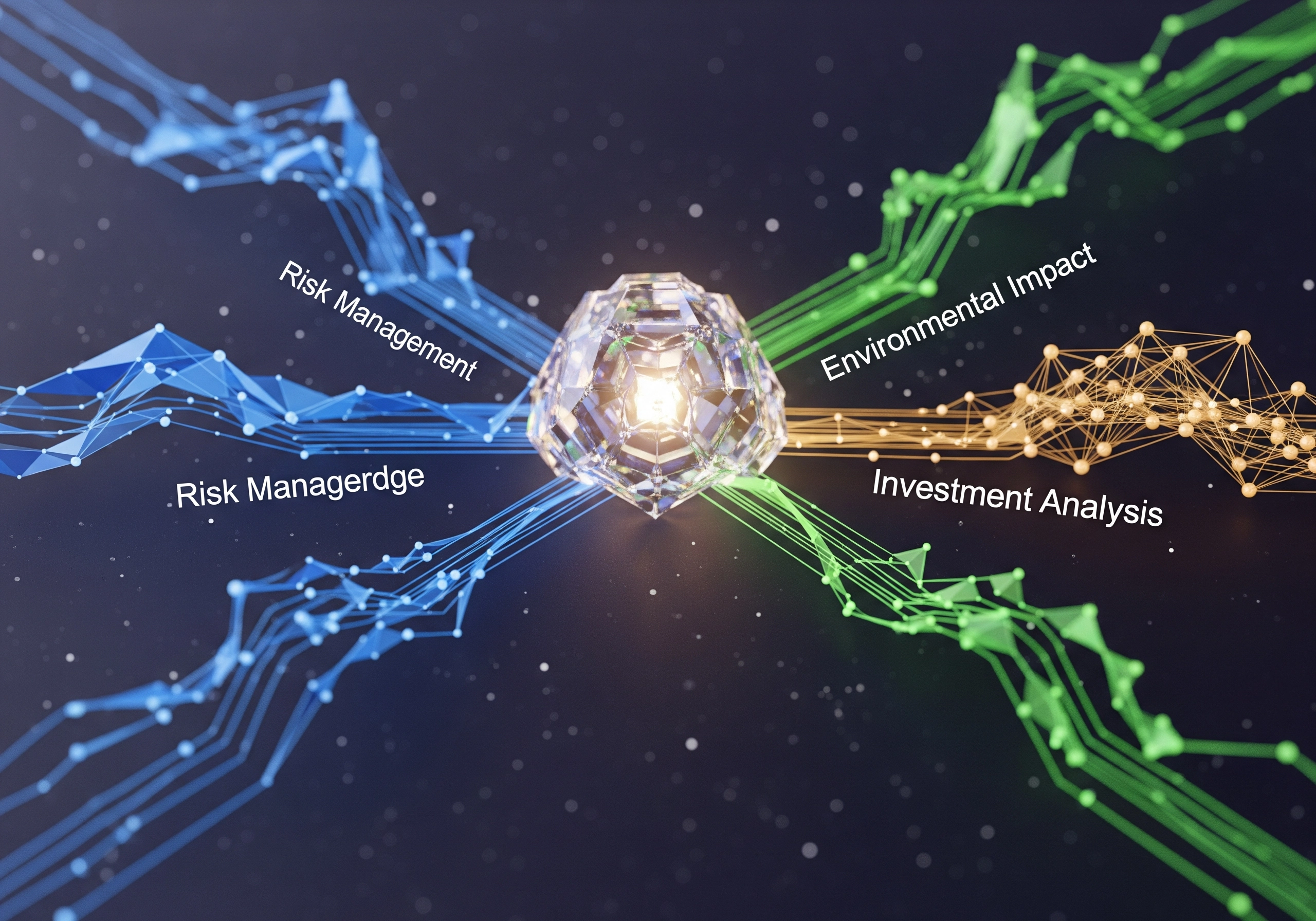
Building on the momentum of the last section, you now know that the demand for ESG expertise is soaring. But where do you begin? The field is vast, and the certifications reflect this diversity. I often advise professionals to start by understanding the core focus of each program. Are you aiming for ESG certification programs to enhance your investment analysis, or are you more interested in reporting and compliance? The answers will guide your choices.
Let’s break down the main categories.
Investment-focused certifications: The Certificate in ESG Investing offered by the CFA Institute is a solid starting point. It’s a broad-based credential, well-suited for investment professionals, portfolio managers, and analysts looking to integrate ESG factors into their decision-making. Other options include the PRI (Principles for Responsible Investment) certification, though it’s more focused on signatories. These programs cover ESG integration, portfolio construction, and valuation.
Reporting and disclosure certifications: For those focused on sustainability reporting, the FSA Credential, which aligns with the IFRS Foundation’s ISSB standards, provides a key benchmark. It teaches the link between sustainability performance and financial value. Professionals who aim to master global standards such as GRI and BRSR will find this very useful. The ESGPro Mastery Institute offers specialized training in this area, bridging the gap between theory and practice.
Risk management certifications: The GARP SCR (Sustainability and Climate Risk) certification is tailored for risk managers. It emphasizes climate modeling, transition risks, and physical risks. This path is ideal if your focus is on assessing and mitigating climate-related financial risks. This is especially relevant given the increasing frequency of extreme weather events and regulatory pressures.
Specialized and emerging certifications: Look for programs that match your specific goals. For instance, if you are focusing on carbon accounting or climate-related disclosures, there are specialized certifications to consider. These are often offered by industry-specific bodies or consulting firms. ESGPro Mastery Institute, for example, offers courses tailored to the Indian business context, focusing on ESG due diligence and transformation.
Choosing the right certification is an important first step. It should align with your career goals and the practical skills you want to develop. Consider not just the course content, but also the reputation of the certifying body and the practical relevance of the curriculum. The goal is to gain expertise and credibility in your chosen niche to add value to your organization.
Stories from the field: how real professionals are leveraging their ESG credentials
You’ve looked at the different certification options, but how do these credentials really help your career? It’s one thing to understand the frameworks; it’s another to see professionals use new skills to completely change their career paths. I’ve seen firsthand how transformative these certifications can be, and the stories are often surprising. So, what does this look like in practice?
Take, for example, a Senior Analyst at an Indian financial services firm. After earning their CFA ESG Certificate, they didn’t just understand ESG; they led the integration of ESG factors into the firm’s equity research process. This wasn’t a small change; it led to a significant 20% increase in funds allocated to sustainable investments within a single year. That kind of real impact is something I see repeatedly. Or consider the ESG advisory professional who, with the FSA credential, landed a lead role at ESGPro Mastery Institute. Their job was specifically to conduct detailed ESG due diligence for Indian companies. They had previously struggled to find a clear management path. This shift didn’t just bring a substantial salary increase; it offered a chance to shape the strategy for a rapidly growing field. These aren’t isolated incidents; they’re becoming the norm for those who invest in specialized knowledge.
These examples show an important point: ESG certifications aren’t just about gaining knowledge; they’re about showing you can apply it. The best programs, like the CFA ESG Certificate, are built with real-world situations, offering solid case studies and practice questions. Similarly, the FSA credential prepares professionals to use their understanding in high-demand areas like ESG reporting and carbon accounting. This sharp focus on practical skills is exactly what makes a credential truly valuable now, showing how ESG certification effectiveness directly impacts career growth.
But it’s not always a simple path. The truth is, the benefits of ESG certifications depend a lot on your current experience and specific career goals. For instance, the GARP SCR certification might be perfect for a risk manager wanting to focus on climate risk, but it’s probably not the best choice for someone aiming for a role in ESG due diligence. It’s about matching the certification to the job you want. The key is to align your training with the specific skills you need and the opportunities available in your target market.
For professionals in India looking to advance, the focus on ESG compliance and reporting is especially relevant. New regulations, like the Business Responsibility and Sustainability Reporting (BRSR), have created a significant demand for data-driven ESG expertise. Companies now need professionals who can help them improve their ESG scores, attract institutional investment, and build long-term enterprise value. ESGPro Mastery Institute helps companies meet these goals through data-driven strategies and compliance, assisting professionals like you in carving out a valuable niche. Understanding these details, and making an informed choice about your qualification, is what truly separates those who thrive from those who get left behind. To explore how to choose the right certification for your path, including insights on ESG professional certification, visit ESGPro Mastery Institute’s website.
The fine print: what your ESG certificate won’t guarantee

Considering an ESG certification? The market certainly demands professionals with these skills. But before you enroll, let’s clarify what an ESG certificate won’t do. Many individuals approach these programs with unrealistic expectations, leading to disappointment.
The fine print: what your ESG certificate won’t guarantee
First, an ESG investing certificate isn’t a magic solution. It won’t instantly make you a sustainability expert. While it provides a strong foundation, it’s not a substitute for practical experience. Think of it as a key to a door; it gets you in, but you still need to learn what’s inside. For example, the CFA Certificate in ESG Investing is excellent, yet it won’t teach you the specific regulatory landscape of India. That’s where ESGPro Mastery Institute helps, bridging the gap between global standards and local application.
Second, don’t expect it to be a shortcut to outsized returns. These certifications, like the IFRS Foundation’s FSA Credential, primarily focus on risk management and compliance, not on generating extraordinary alpha. The objective is to avoid pitfalls and understand how to integrate ESG factors into your existing work, which, in turn, helps attract institutional investment. ESG investing is about long-term value, not short-term gains.
It’s also important to recognize that not all ESG certifications are created equal. You need to align the certification with your specific career goals. Are you focused on investment analysis, reporting, or risk management? For instance, if your interest lies in ESG due diligence and transformation, a certification emphasizing data-driven strategies and compliance with standards such as GRI and BRSR will offer more value than one focused solely on portfolio construction. ESGPro Mastery Institute offers mentoring and consulting to help you identify the right path.
Finally, be aware of data limitations. ESG ratings can be subjective. While certification provides the tools, critical thinking remains essential. You need to understand how to interpret the data and where inherent biases might lie. An ESG certificate is a valuable asset, but it’s only one piece of the puzzle. It’s a starting point, not a guarantee. You still need to build your skills, network, and, most importantly, apply what you learn in the real world to navigate complex requirements, like the SEC’s climate disclosure ruling, which has increased demand for specialized knowledge among compliance teams.
Making the choice: aligning certification with your career arc
So, you get it: the market demands ESG expertise, and an ESG professional certification offers significant potential. But it’s no magic bullet, and you’re probably wondering how to pick the right one. Honestly, the choice isn’t about finding the “best” certificate; it’s about discovering the one that truly fits your unique career goals.
First, think about your career stage. Are you just starting out, somewhere in the middle, or already a senior leader? Someone early in their career might benefit from a broad overview, like the CFA Certificate in ESG Investing, to build a strong base of knowledge. Mid-career professionals, who are often already deep in a specific function, should consider how ESG intersects with their current role. If you’re in risk management, for example, the GARP SCR could be a better fit. Focused on reporting? The FSA Credential, which emphasizes the link between sustainability performance and financial value, might be your key. And if you’re a seasoned professional aiming to build or lead a team, exploring ESGPro Mastery Institute makes sense. We offer mentoring and consulting that bridges the gap between sustainability theory and investment-grade performance.
Next, assess your existing expertise. What’s your background? Perhaps it’s finance, accounting, or even engineering. Leverage that knowledge! If you’re a financial analyst, the CFA certificate can build directly on what you already know. For an auditor, the FSA Credential often makes the most sense. Those with a background in operations or environmental science might find the GARP SCR more relevant. Don’t try to become an expert in everything overnight; instead, build on your strengths.
Finally, what kind of impact do you genuinely want to make? Do you envision yourself shaping investment strategy, leading risk management, or driving corporate reporting? Pinpointing this will narrow down your choices considerably. Remember, ESG isn’t just about doing good; it’s about managing risk and creating tangible value. At ESGPro Mastery Institute, we specialize in bridging the gap between sustainability principles and investment-grade performance. By focusing on areas like ESG due diligence and transformation, you’ll learn how companies can improve their ESG scores, attract institutional investment, and build long-term enterprise value through data-driven strategies and compliance with global standards like GRI and BRSR.
Choosing the right ESG certification isn’t just checking a box; it’s a strategic investment in your professional future. Take the time to thoughtfully evaluate your career goals, existing expertise, and the specific impact you aim to achieve. You’ll be glad you did, as a well-chosen credential can unlock new opportunities and solidify your role in the evolving world of sustainable business.
Your next steps: charting a path in the evolving ESG landscape

So, you’ve considered the options, weighed your career goals, and hopefully, you’re now closer to deciding which path is right for you. But what comes next? The ESG field isn’t static; it’s dynamic and demands continuous learning and adaptation. Honestly, the only constant is change.
Embrace lifelong learning
Think of your chosen ESG certification not as a destination, but as a launchpad. The industry is evolving at warp speed, with new regulations, standards, and methodologies emerging constantly. Just look at the recent IFRS S1 and S2 standards, which are already reshaping curricula globally. To stay ahead, you’ll need to commit to ongoing professional development. This could mean pursuing advanced certifications, attending industry conferences, or simply staying current with the latest research. I recommend setting up Google Alerts for relevant keywords like “ESG reporting,” “climate risk,” or your specific area of interest. You might also consider joining professional organizations like SASB or the CFA Institute; they’re goldmines of information and networking opportunities. For instance, the CFA Institute’s Certificate in ESG Investing has seen explosive growth, reflecting its growing importance in finance, as reported on the CFA Institute website.
Build your network
Beyond formal qualifications, building a strong professional network is important. Connect with other ESG professionals on LinkedIn, attend industry events, and seek out mentors who can offer guidance and support. The best advice I ever got was to find people who are doing the work you want to do and learn from them. You’d be surprised how willing people are to share their insights. This is where a program like that offered by ESGPro Mastery Institute can be invaluable. They focus on practical application and offer mentoring, which helps bridge the gap between theory and real-world implementation, particularly within the Indian business context. And don’t underestimate the power of informal connections. Casual conversations with colleagues, peers, and even competitors can provide invaluable insights into market trends and emerging best practices.
Stay agile and adaptable
One thing I’ve learned is that the skills needed to thrive in ESG today might not be the skills needed tomorrow. You have to be agile. The rapid growth in green skills highlights this point. A LinkedIn report, available on the Economic Graph, shows a significant skills gap, so consider upskilling in areas like data analytics, climate modeling, or stakeholder engagement, depending on your niche. For example, if you’re targeting a role in ESG reporting, familiarizing yourself with the nuances of carbon accounting and materiality assessments is a smart move. Also, be prepared to adapt your approach based on the specific context. What works in the EU might not work in India, or vice versa, especially with the evolving regulatory landscape. ESGPro Mastery Institute, for example, focuses on helping companies meet global standards like GRI and BRSR, tailoring strategies to the unique challenges faced by Indian businesses.
Take action
What are your next steps? Don’t wait. Start by identifying the specific skills gaps you need to address. Then, explore the range of online ESG certification options available, considering your career goals and the specific knowledge you need. Visit the ESGPro Mastery Institute website to explore the resources and mentoring opportunities they offer. Finally, take action. The most successful ESG professional isn’t just someone with a certificate; it’s someone who’s proactive, adaptable, and committed to lifelong learning. Are you ready to take the leap?
Ready to make your sustainability expertise investment-grade? Explore how tailored ESG advisory services can bridge the gap between theory and practice at ESGPro Mastery Institute.
People Also Ask
How much does an ESG certification typically cost?
The cost can vary significantly. For instance, the CFA Certificate in ESG Investing or the FSA Credential usually range from $600-$800. On the other hand, executive programs from top universities might cost upwards of $5,000-$10,000, offering a different kind of value and networking.
What’s the difference between investment ESG and operational ESG certifications?
Investment ESG certifications, like the CFA ESG Certificate, focus on how sustainability impacts financial valuation and portfolio construction. Operational ESG certifications, such as those aligned with GRI or SASB, delve into the practical aspects of sustainability reporting and corporate practices.
Can an ESG certification guarantee a high-paying job?
While an ESG certification can significantly boost your earning potential, often by 10-20%, it’s not a golden ticket on its own. It provides specialized knowledge and a strong signal to employers, but practical experience and how you apply that knowledge are also crucial for landing top roles.
Are ESG certifications still relevant with new global standards like IFRS S1 and S2?
Absolutely. In fact, the launch of IFRS S1 and S2 has made these certifications even more critical. Many programs are updating their curricula to incorporate these global baseline standards, ensuring professionals are equipped to handle the latest disclosure requirements.
Which ESG certification is best for someone in risk management?
For risk management, the GARP Sustainability and Climate Risk (SCR) certification is often recommended. It dives deep into technical and scientific aspects, including climate modeling and transition risks, which are key for managing sustainability-related threats.
Do I need an ESG certification if I’m already in a finance role?
It depends on your career goals. If you want to specialize in sustainable finance, lead ESG integration in portfolios, or advise on sustainable investments, then a certification like the CFA ESG Certificate is highly beneficial. It shows you’ve got the specialized knowledge employers are looking for.