
Beyond the label: what genuine ESG looks like for your business

Ready to move beyond the buzzwords? ESG company verification isn’t just a trend; it’s quickly becoming the new benchmark for business success. A significant majority of investors now expect companies to report on their sustainability performance. In fact, 76% are more likely to invest if ESG data is independently assured, according to PwC’s 2024 Global Investor Survey. This shift is reshaping how businesses operate, from attracting investment to managing risk.
So, if you’re a business owner, executive, or sustainability professional, you’re probably asking: How do I make sure our ESG efforts are more than just window dressing? And how do we build real, verifiable sustainability into our core operations? Genuine ESG company verification is the answer.
This is your beginner’s guide to ESG. We’ll explore the key difference between ESG ratings and certifications, and the importance of independent verification. We’ll also break down common pitfalls and show you how to avoid them. For instance, many beginners treat ESG certification as a one-time achievement, but it’s an ongoing process. You’ll also learn the advantages of obtaining an ESG certificate, which can significantly boost your professional standing.
I’ll walk you through what’s involved in achieving ESG certification, and what it truly signals for your enterprise in 2026. This is your chance to move from simply talking about sustainability to demonstrating it. Companies committed to ESG practices saw revenue growth of 9.1% over three years, according to a 2023 report by Moore Global. That’s a powerful advantage you won’t want to miss.
We’re going to unlock the true value of corporate sustainability by focusing on real-world actions that build long-term enterprise value. We’ll also explore the path to obtaining your ESG certification and how it can help you gain a competitive edge. Let’s make sure your business is ready for the future, ensuring your efforts lead to tangible, verifiable impact.
What does ‘verified ESG’ actually mean for a company?
Let’s get specific about what ‘verified ESG’ means for your company. It’s not just about having a policy or publishing a report. Verified ESG means an independent third party has assessed your company’s sustainability performance and confirmed the accuracy of your claims. Think of it like a financial audit, but for sustainability.
What does this process involve? First, you pick a recognized standard or framework, like GRI or India’s BRSR. Then, you collect data on your environmental, social, and governance practices. Finally, an external assurance provider, a qualified firm, reviews your data and issues a report. This assurance gives investors and stakeholders confidence.
Imagine buying a used car. You could take the seller’s word for it being in good shape. Or, you could get an independent mechanic to check it out. Verified ESG is that independent checkup for your company’s sustainability efforts. PwC’s 2024 Global Investor Survey found that 76% of investors are more likely to invest if ESG data is independently assured. This assurance is crucial. Companies must back up their ESG claims with verifiable data. Those that don’t risk falling behind.
How do companies achieve verified ESG? It starts with understanding the relevant standards and collecting accurate data. Expert advisors can help, especially for newcomers. ESGPro Mastery Institute bridges the gap between sustainability theory and investment-grade performance. They offer ESG certification benefits and advisory services. Their focus is on data-driven strategies and compliance with global standards. It’s a solid starting point. To understand what it signals for your enterprise, consider unpacking ESG certification.
This work has clear benefits. Companies with strong, verified ESG performance often see a lower cost of capital, improved investor confidence, and a better brand reputation. A 2023 Moore Global report showed companies committed to ESG practices had revenue growth of 9.1% over three years. Harvard Business School’s Professor George Serafeim notes that ESG is shifting from optional marketing to mandatory financial hygiene. For a deeper look at the process, check out the ESG certification process. A professional ESG certificate can also advance your career.
The numbers don’t lie: why investors and regulators demand verified ESG

A significant majority of investors now demand verified Environmental, Social, and Governance (ESG) data. A PwC 2024 Global Investor Survey found a staggering 76% of investors are more likely to invest if ESG data is independently assured. This isn’t just about ethical considerations; it’s a fundamental change in how capital markets assess risk and opportunity.
So, why is this demand for verified ESG data so strong? First, it provides credibility. Unverified claims can be easily dismissed as greenwashing. Independent assurance, on the other hand, gives investors confidence that a company’s sustainability performance is genuine and reliable. What’s more, the Governance & Accountability Institute (2023) found that almost every S&P 500 company (98%) now publishes ESG reports, but without verification, these reports lack teeth. And this trend is only accelerating as regulatory pressures increase.
Second, verified ESG data mitigates risk. Companies with robust ESG practices are often better positioned to navigate regulatory changes and market shifts. For instance, the EU’s Corporate Sustainability Reporting Directive (CSRD) mandates that nearly 50,000 companies have their sustainability information assured by an independent third party, signaling a new era of regulatory ESG compliance. Also, companies that undergo ESG verification often benefit from a lower cost of capital, thanks to reduced risk profiles, as noted by Harvard Business Review research, which indicates a 10% lower cost of capital for high ESG ratings.
Third, there are tangible business benefits. A 2023 report by Moore Global revealed that companies committed to ESG practices saw impressive revenue growth, showing a 9.1% increase over three years compared to 4.9% for others. It’s not just theory; this is a proven advantage in the competitive market.
For businesses, the implications are clear: ESG data assurance isn’t optional anymore. It’s becoming a prerequisite for attracting investment, maintaining market access, and building long-term value. At the ESGPro Mastery Institute, we focus on helping companies bridge the gap between sustainability principles and investment-grade performance, particularly within the Indian business context. We help improve ESG scores, attract institutional investment, and build long-term enterprise value through data-driven strategies and compliance with global standards. We focus on areas like ESG due diligence and ESG transformation. The reality is that verifiable ESG is now a core business function, not just a public relations exercise.
Mapping your journey: actionable steps to prepare for verification
Ready to get your ESG efforts verified? With investors and regulators scrutinizing sustainability claims more than ever, taking that step is essential. But where do you even begin? The truth is, starting ESG verification isn’t a simple, one-size-fits-all process. It demands thoughtful planning and a phased approach. I’ve guided many businesses through this, and these steps offer a clear path to help you prepare for successful verification.
Understand What Matters Most: Your Materiality Assessment
Before anything else, you need to pinpoint what truly matters. A materiality assessment isn’t just a suggestion; it’s the foundation of an effective ESG program. It helps you identify the ESG issues most relevant to your business and its stakeholders. This means talking to internal teams and external stakeholders, investors, customers, and communities, to figure out which ESG topics have the biggest impact and, so, are most important to report. You can use frameworks like the Sustainability Accounting Standards Board (SASB) or the Global Reporting Initiative (GRI) to guide this. This exercise sets the boundaries for all your ESG reporting and verification efforts. Need help navigating this complex process? ESGPro Mastery Institute can ensure you focus resources where they’ll make the biggest difference.
Set Up Solid Data Collection Systems
Once you’ve identified your key topics, the next step is building robust data collection systems. This is often where companies stumble. You’ve got to treat your ESG data with the same rigor you apply to your financial data. That means implementing internal controls, data validation processes, and clear audit trails. Think about the specific metrics your chosen ESG reporting frameworks (GRI, SASB, TCFD, etc.) require. Do you have systems in place to capture, store, and manage this data accurately? Investing in the right tools and training your team on data management best practices isn’t just good practice; it’s essential. Remember, the quality of your verification hinges entirely on the quality of your data.
Pick Your Reporting Framework and Verification Standard
Next, you’ll select the ESG reporting frameworks and verification standards that truly align with your business goals and what your stakeholders expect. GRI and SASB are popular choices, offering detailed guidelines for reporting across many ESG topics. The International Sustainability Standards Board (ISSB) is also gaining significant traction with its global baseline standards. Decide whether you’ll pursue limited or reasonable assurance. Limited assurance is a good starting point, while reasonable assurance provides a much higher level of confidence in your data. Always ensure your chosen verifier is accredited and has experience in your industry. For companies in India, aligning with the BRSR framework is increasingly important, and ESGPro Mastery Institute offers guidance on choosing the right standards and navigating the verification process, helping you avoid common pitfalls.
Get Ready for the Verification Process
With your data, framework, and verifier all set, it’s time to prepare for the actual verification. This involves compiling all necessary documentation, double-checking data accuracy, and addressing any potential gaps in your reporting. Be ready to provide solid supporting evidence for your claims, like policies, procedures, and performance data. The verification process will likely include document reviews, site visits, and interviews with key personnel. Anticipate and address any potential red flags early on. Transparency and proactive communication with your verifier are vital. Don’t forget, verification isn’t a one-time event; it’s an ongoing process, so plan for continuous improvement after that initial assessment. For more insights into what the journey entails, check out our resources on the ESG certification process.
Avoiding the ‘check-the-box’ trap: common pitfalls to sidestep

You’ve started down the path toward verified ESG, perhaps following the steps outlined previously. That’s a great start! But before you get too far, you need to understand the common pitfalls that can derail even the most well-intentioned efforts. I’ve seen countless companies fall into these traps. The consequences can range from wasted resources to reputational damage. My goal at the ESGPro Mastery Institute is to ensure you avoid these missteps and build a truly sustainable business.
The ‘Check-the-Box’ Fallacy
Many companies, especially those new to ESG, approach certification as a one-time achievement. They view it as a checklist to complete rather than an ongoing process of improvement. This is the ‘check-the-box’ trap, and this approach carries significant risks. ESG verification is an ongoing audit process. The goal isn’t simply obtaining a certificate; it involves continuously monitoring, measuring, and improving your performance. For example, the EU’s Corporate Sustainability Reporting Directive (CSRD) is rolling out, requiring nearly 50,000 companies to have their sustainability information assured by an independent third party. This shift highlights that ESG isn’t a one-time event; it’s an ongoing commitment.
Data Siloing and Lack of Integration
Another common mistake is treating ESG reporting as a task for the PR or HR departments. This often leads to data silos, where information is fragmented and lacks a clear audit trail. Without the involvement of the CFO’s office and robust internal controls, the verification process can easily fail. For successful verification, you must treat ESG data with the same rigor as financial data, and integrate it into your core business processes. This means establishing clear data governance policies, implementing robust data management systems, and ensuring cross-functional collaboration. Think of it this way: if your sustainability data isn’t as reliable as your financial data, investors won’t trust it. At ESGPro Mastery Institute, we emphasize data-driven ESG strategies to help companies avoid this pitfall.
Confusing Ratings with Certifications
Many companies confuse ESG ratings (like those from MSCI or Sustainalytics) with certifications (like B Corp or ISO 14001). Ratings are third-party opinions based on publicly available data, while certifications involve in-depth audits of internal, private data. Beginners often misunderstand the difference, which can lead to a false sense of accomplishment. For instance, achieving a high ESG rating is a good sign, but it doesn’t necessarily mean your company is certified. If you’re aiming for genuine verification, you need to pursue certifications that align with your sustainability goals. For a deeper dive into these distinctions, check out our guide on how to choose the right ESG certification. ESGPro Mastery Institute offers expert guidance to clarify these nuances and ensure you’re pursuing the right path for your business.
Limited vs. Reasonable Assurance
Many companies start with ‘Limited Assurance’ from auditors, which is faster and less expensive, but provides a less robust assessment. Limited Assurance offers a ‘nothing came to our attention’ statement, while ‘Reasonable Assurance’ (the gold standard) provides a positive statement that the data is fair and accurate, similar to a financial audit. While limited assurance may be a good starting point, you must understand its limitations. If you’re serious about building trust with investors and stakeholders, you should aim for reasonable assurance. The International Federation of Accountants (IFAC) study showed a significant increase in companies obtaining external assurance on ESG disclosures, underscoring the shift toward greater rigor in business today. ESGPro Mastery Institute helps clients navigate the complexities of assurance levels to meet the specific needs of their organization, providing ESG due diligence and compliance services to ensure robust and credible reporting.
Real impact, real proof: companies leading with verified ESG
So, you’re thinking about ESG. You’ve heard the buzz and maybe read some reports, but how does it all translate into actual results? The truth is, verified ESG isn’t just a compliance exercise; it’s a powerful driver of business value. Let’s look at some companies that are using verified sustainability for real impact.
Take Danone, for example. In 2020, they became the first French-listed company to adopt the ‘Entreprise à Mission’ model. This meant they committed to independent, third-party verification of their social and environmental goals every two years. This wasn’t just for show. This rigorous verification process helped Danone secure ESG-linked loans, where interest rates actually decreased as they hit their verified sustainability targets. Their commitment to ESG directly impacted their bottom line, showing how a strong ESG strategy can lead to tangible financial benefits, as detailed on their sustainable value creation page.
Then there’s Etsy. They used the B Corp Impact Assessment to verify their operations across their entire value chain. Achieving B Corp certification allowed them to quantify their ambitious goal to reach net-zero emissions by 2030 and also made a significant step towards greater transparency. This verification was a prerequisite for their inclusion in the NASDAQ-100 ESG Index, showing that it’s not just about feeling good; it’s about being investable and attracting capital. You can learn more about their B Corp journey here.
Another great example is Schneider Electric, consistently ranked as a top sustainable corporation by Corporate Knights. They use external auditors like Deloitte to verify their ‘Sustainability Impact’ (SSI) scores. These scores directly influence the variable compensation of over 50,000 employees. Schneider Electric understands that accountability at scale really demands verified data, integrating sustainability performance directly into their corporate incentive structures. You can find more about their approach in their sustainability reports.
What We Can Learn From These Leaders
What can we learn from these pioneering companies? First, ESG verification isn’t a one-off event; it’s an ongoing process that demands the same rigor you’d apply to your financial audits. Second, it’s not just about ticking boxes. It’s about demonstrating real, measurable impact through data-driven strategies and compliance with global standards.
At ESGPro Mastery Institute, we work with companies to bridge the gap between sustainability theory and investment-grade performance. We focus on areas like ESG due diligence and transformation, helping clients improve their ESG scores, attract institutional investment, and build long-term enterprise value. If you want to move beyond the buzz and start making verified ESG a reality for your business, contact us at ESGPro Mastery Institute to learn more about how we can help you achieve concrete, measurable results.
Deepening your expertise: where to find more ESG verification resources
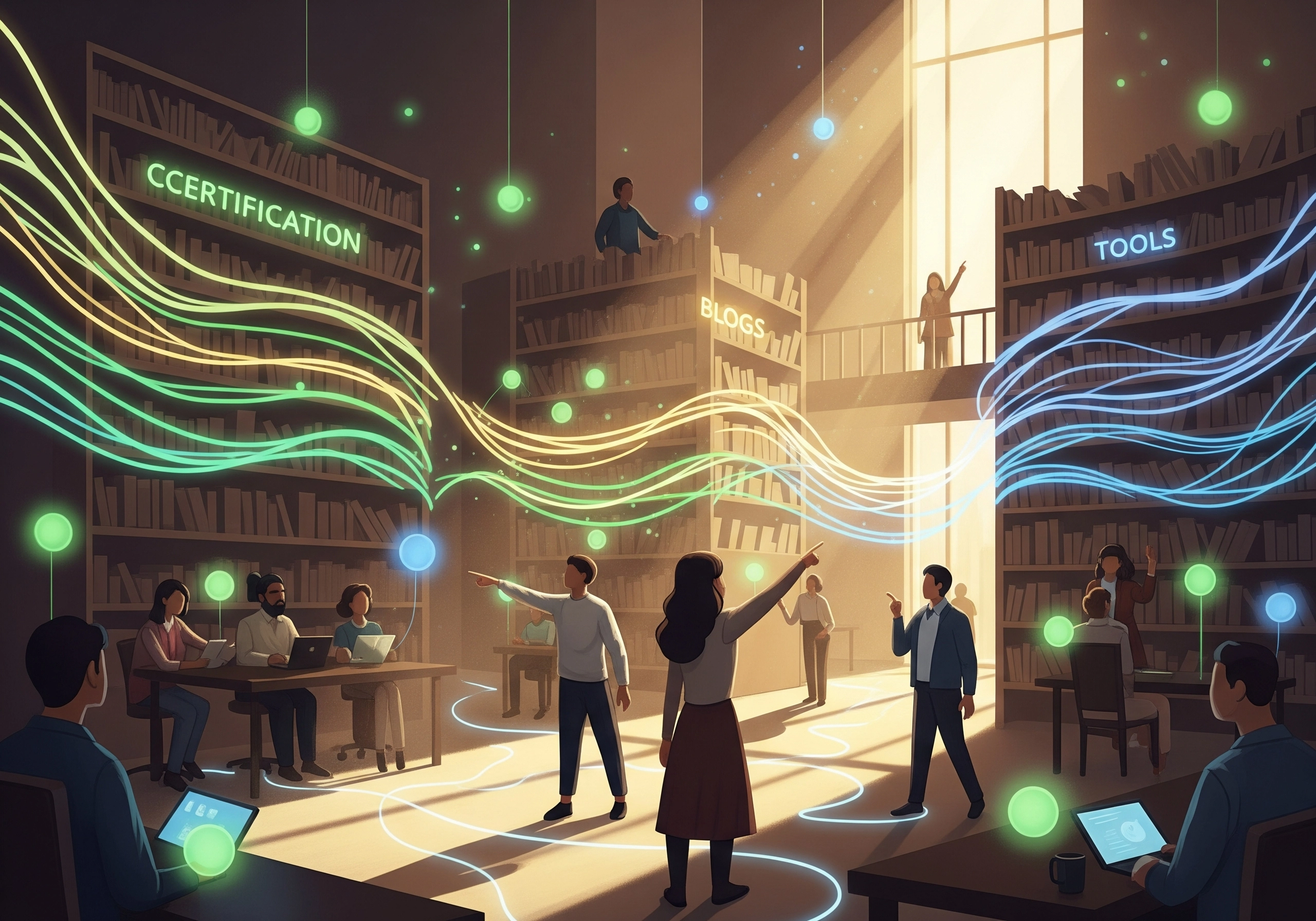
You’ve seen verified ESG in action and want to understand it better. Good. Mastering ESG verification is a process, but plenty of resources exist to help. I’ve gathered essential materials to keep you ahead, especially with global baseline efforts for ESG disclosures from groups like the ISSB.
Certification & Training Programs
Want formal credentials? Look here:
- ESGPro Mastery Institute: Our ESG certification programs give practical skills for ESG due diligence, reporting, and transformation. We focus on connecting sustainability theory with investment-grade performance, using real-world case studies.
- Other Certification Courses: Check out GRI and SASB for more expertise. These programs offer recognized credentials. A sustainability ESG certification is a commitment, not just a badge. It helps you navigate ESG compliance.
Blogs & Publications
Stay current with these industry sources:
- ESG Newsletters: Subscribe to newsletters from ESG data providers (MSCI, Sustainalytics, Refinitiv) and publications (Environmental Finance, Responsible Investor). They provide updates on trends and regulations.
- ESGPro Mastery Institute Blog: Our blog offers articles, case studies, and guidance on ESG topics, including ESG due diligence and net-zero strategies. We simplify complex subjects.
Books & Research
For a deeper dive, these are important:
- Academic Journals: Read peer-reviewed research in journals like the Journal of Sustainable Finance & Investment and the Corporate Social Responsibility and Environmental Management journal for the latest academic findings.
- Industry Reports: Find reports from the International Federation of Accountants (IFAC) and other professional bodies for best practices in ESG assurance.
Tools & Software
Use technology to streamline your work:
- ESG Reporting Software: Platforms like Workiva, Diligent, or Sphera can improve data collection, analysis, and reporting. These tools cut down workload and boost accuracy.
- Materiality Assessment Tools: Use tools to find and rank the most important ESG issues for your business. This focuses your efforts where they matter most to stakeholders.
Communities & Networks
Connect with peers and experts:
- Professional Associations: Join groups like the CFA Institute or PRI to network with ESG professionals. They host events, webinars, and forums for idea exchange.
- Online Forums: Participate in LinkedIn groups focused on ESG. Discuss, ask questions, and share experiences to broaden your knowledge.
The ESG world changes constantly. Continuous learning is key. Using these resources will boost your expertise and position you as a leader. For specifics, check out resources from ESGPro Mastery Institute. We help bridge the gap between theory and investment-grade performance.
Your first step toward a verifiable future
So, you’ve made it this far. You’ve seen the data, the examples, and the pitfalls. You get that ESG commitment isn’t just a trend; it’s the future of business. But where do you actually begin? Honestly, it can feel like a mountain to climb. That’s why I created this guide.
Mastering verifiable ESG isn’t about becoming an expert overnight. It’s about taking that first, informed step. And that step, more often than not, is an honest internal assessment. Where does your company currently stand regarding sustainable business practices? What data do you already track? What are you not tracking that you probably should be?
This isn’t just about ticking boxes; the goal is to build a strong foundation. The good news? You don’t have to go it alone. Organizations adopting zero-trust architectures often report fewer breaches. This highlights the value of robust systems.
I know firsthand that the world of ESG can feel overwhelming. But remember, 98% of S&P 500 companies now publish ESG reports, as found by the Governance & Accountability Institute (2023). This means you’re not charting unknown territory; there’s a well-worn path. In fact, a 2023 report by Moore Global indicates that companies committed to ESG practices saw revenue growth of 9.1% over three years, compared to just 4.9% for those that didn’t. This shows the financial upside of these efforts.
So, what’s your next move? I recommend starting with a materiality assessment. This helps you identify the ESG issues most relevant to your business and stakeholders. Then, begin gathering the necessary data, and don’t be afraid to seek external support. ESGPro Mastery Institute, for instance, offers ESG certification and advisory services to bridge the gap between theory and real-world implementation. They can help you with everything from ESG due diligence to ESG transformation.
The journey toward verifiable ESG is ongoing, and this process can be complex. But it is also incredibly rewarding, offering benefits like improved investor confidence and reduced operational risks. As Professor George Serafeim of Harvard Business School emphasizes, companies that don’t verify their data will soon pay a ‘trust tax’ in capital markets. The time to act is now. The future of ESG is here. Are you ready to step into it?
Ready to move beyond basic reporting and gain investor trust? Learn how to achieve robust, independently confirmed ESG performance with expert guidance from ESGPro Mastery Institute.
People Also Ask About ESG Verification
What’s the difference between an ESG rating and ESG verification?
An ESG rating is typically an opinion from a third party based on publicly available data, like what MSCI or Sustainalytics provide. ESG verification, on the other hand, involves a deep dive and independent audit of your company’s internal data and processes to confirm your sustainability claims. It’s about proving your performance, not just getting an opinion.
Why is independent verification so important for investors?
Investors increasingly demand proof that your sustainability claims are real and backed by data. Independent verification builds trust and reduces perceived risk, making your company a more attractive investment. Studies show investors are significantly more likely to invest in companies with assured ESG data, and it can even lower your cost of capital.
How long does the ESG verification process typically take?
The timeline can vary quite a bit depending on your company’s size, the complexity of your operations, and your current data readiness. Starting with limited assurance is quicker and less expensive, while reasonable assurance is more thorough and takes longer. It’s definitely not a quick ‘check-the-box’ exercise; think of it as an ongoing process.
Can small businesses get ESG verified?
Absolutely! While regulations like the EU’s CSRD are targeting larger companies, the benefits of verification are relevant for businesses of all sizes. Smaller companies might start with certifications like B Corp or focus on specific standards relevant to their supply chain, like EcoVadis. It’s about demonstrating commitment and building credibility.
What are common mistakes companies make when seeking ESG verification?
A big one is treating verification as a one-off task instead of an ongoing commitment. Another common pitfall is data siloing, leaving ESG reporting solely to PR or HR without involving finance. Without that financial rigor and clear audit trail, verification often falters during the assurance phase.
Does ESG verification help with regulatory compliance?
Yes, it increasingly does. Regulations like the EU’s CSRD mandate third-party assurance for sustainability information. By getting verified, you’re not only meeting current requirements but also positioning your company ahead of future regulatory changes and demonstrating robust governance to stakeholders.