
In 2025, mastering Environmental, Social, and Governance (ESG) principles is not just an option, it’s a necessity for career advancement and business success. As environmental urgency and social awareness intensify, coupled with stringent governance standards, professionals equipped with ESG knowledge are highly sought after. This article explores why taking an ESG training course is a smart career move in 2025, providing insights into ESG career development and the adoption of sustainable business practices. Discover how these courses can equip you with the skills to navigate the evolving corporate landscape and drive meaningful change.
The Growing Importance of ESG Training Courses in 2025
The corporate environment in 2025 is characterized by an increasing emphasis on environmental responsibility, heightened social awareness, and stricter governance standards. ESG is no longer a supplementary aspect of business but a core element that influences brand value, investor confidence, and regulatory compliance. Contemporary ESG training courses and certifications are designed to equip professionals with the essential knowledge and skills to meet these demands, positioning them for success in the modern business landscape. According to CorpStage.com, the corporate environment in 2025 is dominated by an increased sense of environmental urgency, a new level of social and environmental awareness, and stiffer governance standards. It is no longer possible to consider ESG as an additional feature of businesses, but it is a business necessity that influences brand value, investor trust, and the ability to comply with regulations.
Q&A: Unlocking the Value of ESG Training in 2025
This section dives into essential questions about ESG training courses, providing detailed answers to demonstrate their value in today’s professional world.
Q: How do ESG training programs prepare professionals for the demands of sustainable business practices in 2025?
A: ESG training programs provide professionals with a comprehensive understanding of environmental, social, and governance factors and how they impact business strategy and operations. These programs cover:
- International Standards and Frameworks: Training includes principles from the Global Reporting Initiative (GRI), Task Force on Climate-related Financial Disclosures (TCFD), UN Sustainable Development Goals (SDGs), and Sustainability Accounting Standards Board (SASB).
- Compliance: Participants learn to navigate local and international compliance requirements, ensuring they can effectively manage regulatory landscapes.
- Practical Application: ESG courses emphasize applying ESG principles in real-world scenarios, from investment analysis to supply chain sustainability.
- Tech Integration: Training incorporates the latest technologies for data analysis and reporting, enhancing professionals’ ability to measure and manage ESG performance.
Q: What are the key features of leading ESG training courses in 2025?
A: The best ESG training courses in 2025 share several essential characteristics:
- Alignment with International Principles: Programs adhere to global standards such as GRI, TCFD, and SDGs.
- Applicability to Various Fields: Training is relevant across finance, operations, and other sectors.
- Technology Incorporation: Courses integrate technology for data analysis and reporting.
- Customized Learning: Programs offer tailored modules to match specific career goals. For example, finance-oriented visitors may need programs that have good ESG investment analysis modules, and operations-focused visitors may want to seek out modules on supply chain sustainability, according to CorpStage.com.
- Industry Expertise: Instruction is provided by experienced professionals and senior management.
- Hands-On Activities: Participants engage in group activities and networking opportunities.
- Flexible Education Structures: Courses offer online and in-person formats to suit different learning preferences.

Q: How can ESG certifications contribute to integrating ESG principles into corporate strategies?
A: ESG certifications play a crucial role in embedding ESG principles within corporate strategies by:
- Providing Expertise: Certifications equip professionals with the knowledge to integrate ESG factors into organizational strategies.
- Enhancing Credibility: Certified professionals are seen as more credible and capable of driving sustainable initiatives.
- Improving Compliance: Certification programs cover regulatory requirements, ensuring companies remain compliant.
- Opening Career Opportunities: An ESG certification can lead to roles such as ESG analyst, sustainability consultant, and corporate social responsibility manager.
Q: What career benefits can professionals expect from completing an ESG certification course?
A: Completing an ESG certification course can significantly enhance ESG career development, offering numerous benefits:
- Increased Demand: Skilled ESG professionals are in high demand across industries.
- Career Advancement: Certification can lead to promotions and new job opportunities.
- Higher Earning Potential: Professionals with ESG expertise often command higher salaries.
- Expanded Skill Set: Training provides a versatile skill set applicable to various roles.
- Industry Recognition: Certifications demonstrate a commitment to sustainable business practices.
Q: What are some examples of specialized ESG courses that cater to different professional needs?
A: The field of environmental social governance training offers a variety of specialized courses:
- ESG Investing Course: Focuses on integrating ESG factors into investment decisions.
- Sustainable Finance Training: Equips professionals with the knowledge to balance financial returns with positive societal and environmental impacts.
- ESG Reporting Course: Teaches how to prepare high-quality ESG reports.
- ESG Compliance Training: Covers regulatory requirements and compliance strategies.
- ESG Analyst Certification: Provides training for analyzing ESG data and performance.
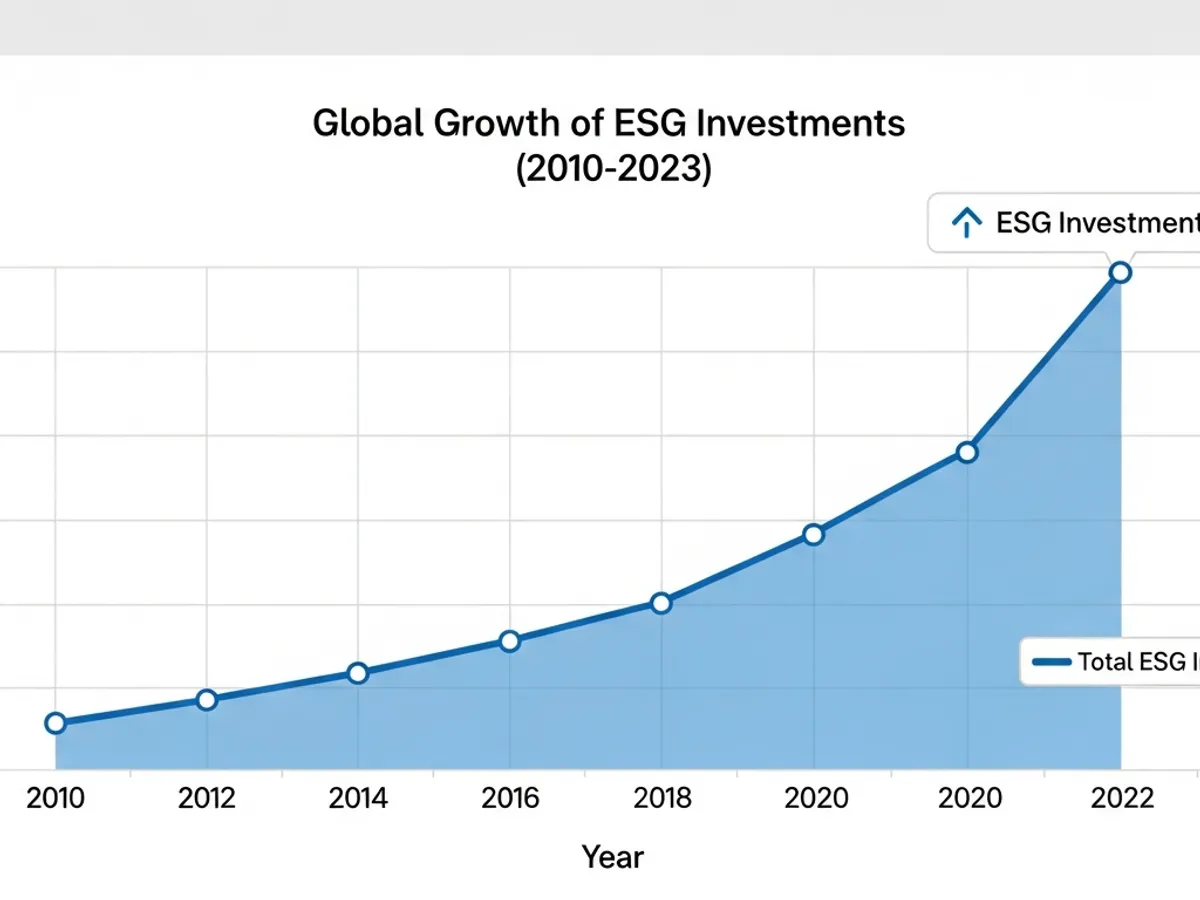
Exploring Essential ESG Training Programs and Certifications
Several leading institutions and organizations offer ESG training programs designed to meet the growing demand for skilled professionals. These programs provide comprehensive knowledge and practical skills in ESG principles and practices.
Corporate Finance Institute (CFI), ESG Specialization
The Corporate Finance Institute (CFI) offers an ESG Specialization that provides a strong foundation in core ESG concepts. This program is designed for analysts, finance professionals, and students seeking to understand how ESG impacts business operations and financial decisions. CFI’s ESG program includes a unique combination of theory and application, delivered in a condensed, self-paced curriculum that will better prepare you for today’s corporate pressures and stakeholder expectations.
CFA Institute, Sustainable Investing Certificate
The CFA Institute offers a Sustainable Investing Certificate (formerly known as the Certificate in ESG Investing) that covers key environmental, social, and governance factors. This certificate is ideal for investment professionals looking to integrate ESG factors into their investment strategies.
Global Reporting Initiative (GRI), Certified Training Courses
The Global Reporting Initiative (GRI) offers GRI Certified Training Courses that provide globally recognized reporting standards. These courses are essential for professionals involved in sustainability reporting and corporate communications. These courses help participants get trained to handle the local compliance form but also work in the international compliance form, according to CorpStage.com.

Sustainability Academy, Online Certificate on ESG Reporting
The Sustainability Academy offers an Online Certificate on ESG Reporting, providing practical training in preparing high-quality ESG reports. This certificate is perfect for professionals responsible for sustainability, corporate communication, and compliance.
University of Pennsylvania, ESG Risks and Opportunities
The University of Pennsylvania offers an ESG Risks and Opportunities course that focuses on understanding how ESG considerations impact markets and creating value through sustainable investment strategies. This course is ideal for those ready to advance their ESG knowledge and apply it in real-world scenarios.
Connecting Themes: How ESG Training Drives Sustainable Business Practices
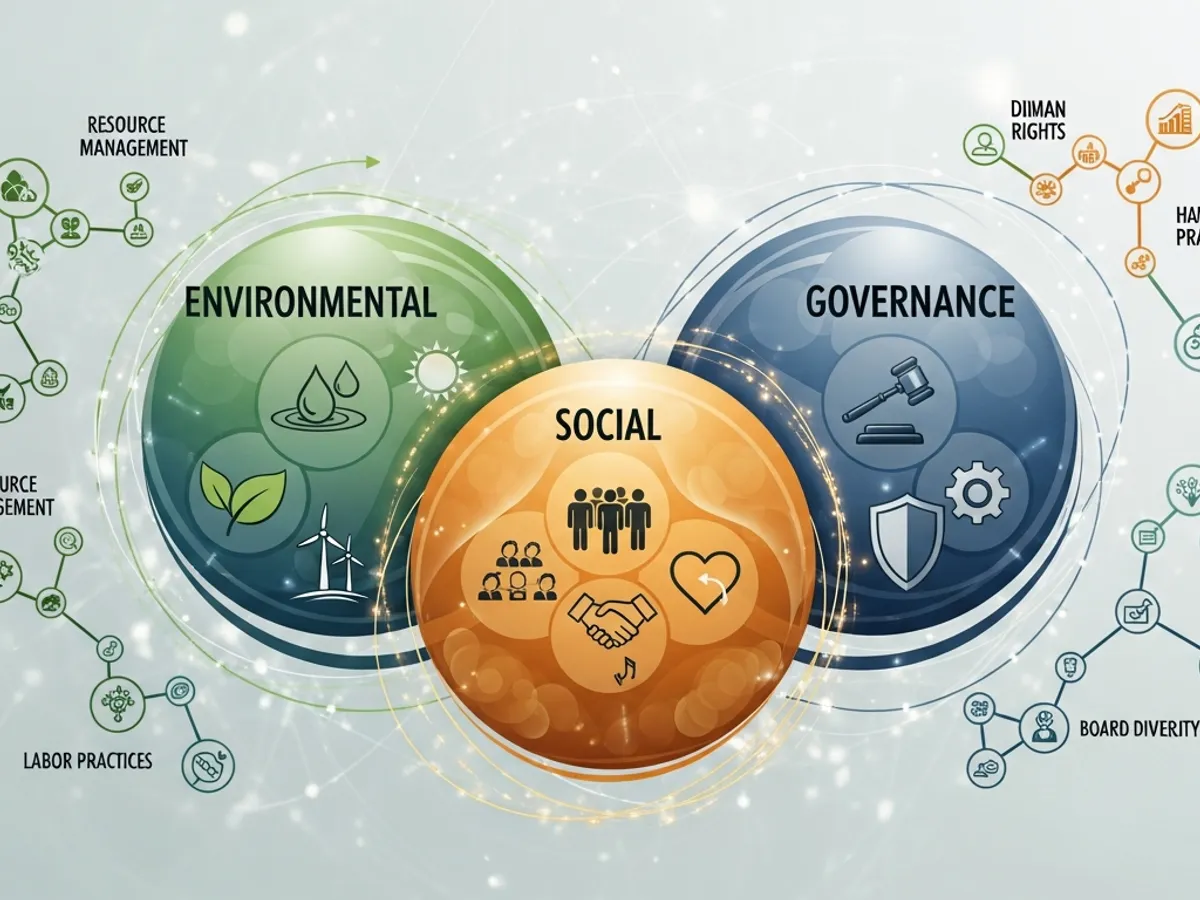
ESG training is not an isolated skill but an integral component of broader sustainable business practices. By integrating environmental, social, and governance factors into their operations, businesses can create long-term value, manage risks more effectively, and contribute to a more sustainable future.
- Regulatory Knowledge: Understanding sustainable finance prepares individuals to navigate the evolving regulatory landscape as governments introduce new sustainability reporting and disclosure requirements.
- Competitive Strategies: Studying sustainable finance reveals how companies can gain a competitive advantage by prioritizing sustainability, attracting both customers and top talent.
- Balancing Profit and Purpose: Studying sustainable finance equips professionals with the knowledge to balance financial returns with positive societal and environmental impacts effectively.
Conclusion & Key Takeaways
Taking an ESG training course in 2025 is a strategic career move that aligns with the growing importance of sustainable business practices. These courses provide professionals with the knowledge, skills, and certifications needed to excel in a corporate landscape increasingly focused on environmental, social, and governance factors. By choosing the right ESG training program, individuals can enhance their ESG career development and contribute to a more sustainable and responsible future. The ESG training benefits are numerous, from enhancing brand reputation to driving efficiency. As ESG becomes more integrated into corporate strategies, professionals with ESG expertise will be well-positioned to lead the change and shape the future of business.
FAQs
Q: What is ESG and why is it important?
A: ESG stands for Environmental, Social, and Governance, representing the three key areas used to evaluate a company’s performance and impact on the planet and its people. It is important because it helps investors and companies make informed decisions, manage risks, and contribute to a more sustainable future.
Q: How can an ESG certification benefit my career?
A: An ESG certification can open up various career opportunities, including roles such as ESG analyst, sustainability consultant, and corporate social responsibility manager, increasing your demand and earning potential. It demonstrates your commitment to sustainable business practices and equips you with the skills to integrate ESG principles into corporate strategies.
Q: What are the key frameworks covered in ESG training courses?
A: ESG training courses typically cover key frameworks such as the Global Reporting Initiative (GRI), Task Force on Climate-related Financial Disclosures (TCFD), UN Sustainable Development Goals (SDGs), and Sustainability Accounting Standards Board (SASB). These frameworks provide a foundation for understanding and implementing ESG principles in various business contexts.
Q: Are online ESG courses as effective as in-person training programs?
A: Online ESG courses can be as effective as in-person training programs, offering flexibility and accessibility to many learners. Many online courses incorporate interactive elements, case studies, and networking opportunities to enhance the learning experience.
Before you embark on your ESG career development journey, consider the resources and expertise offered by ESGPro Mastery Institute. Visit our website to explore our comprehensive ESG certification and advisory services designed to bridge the gap between sustainability theory and investment-grade performance.